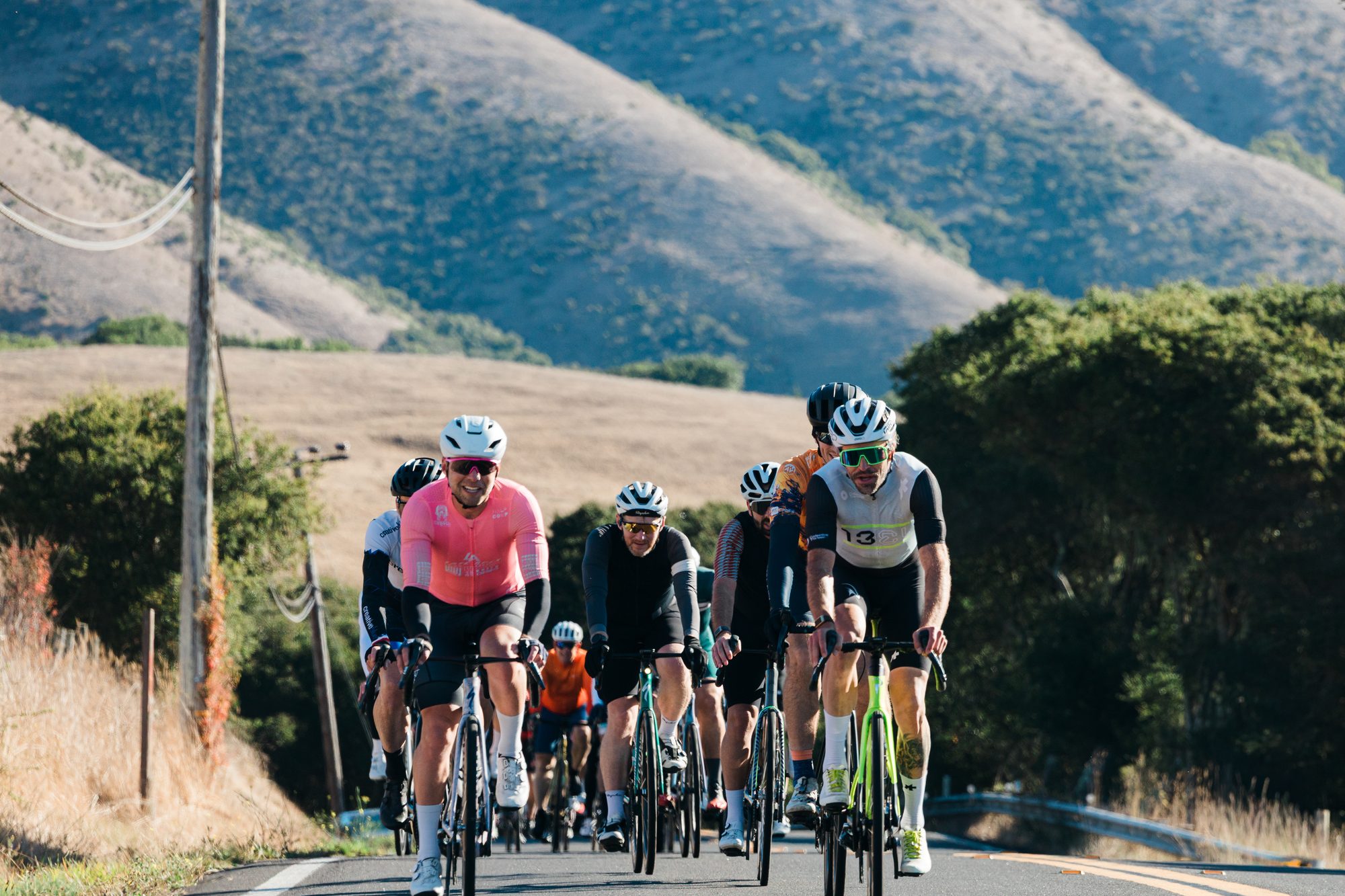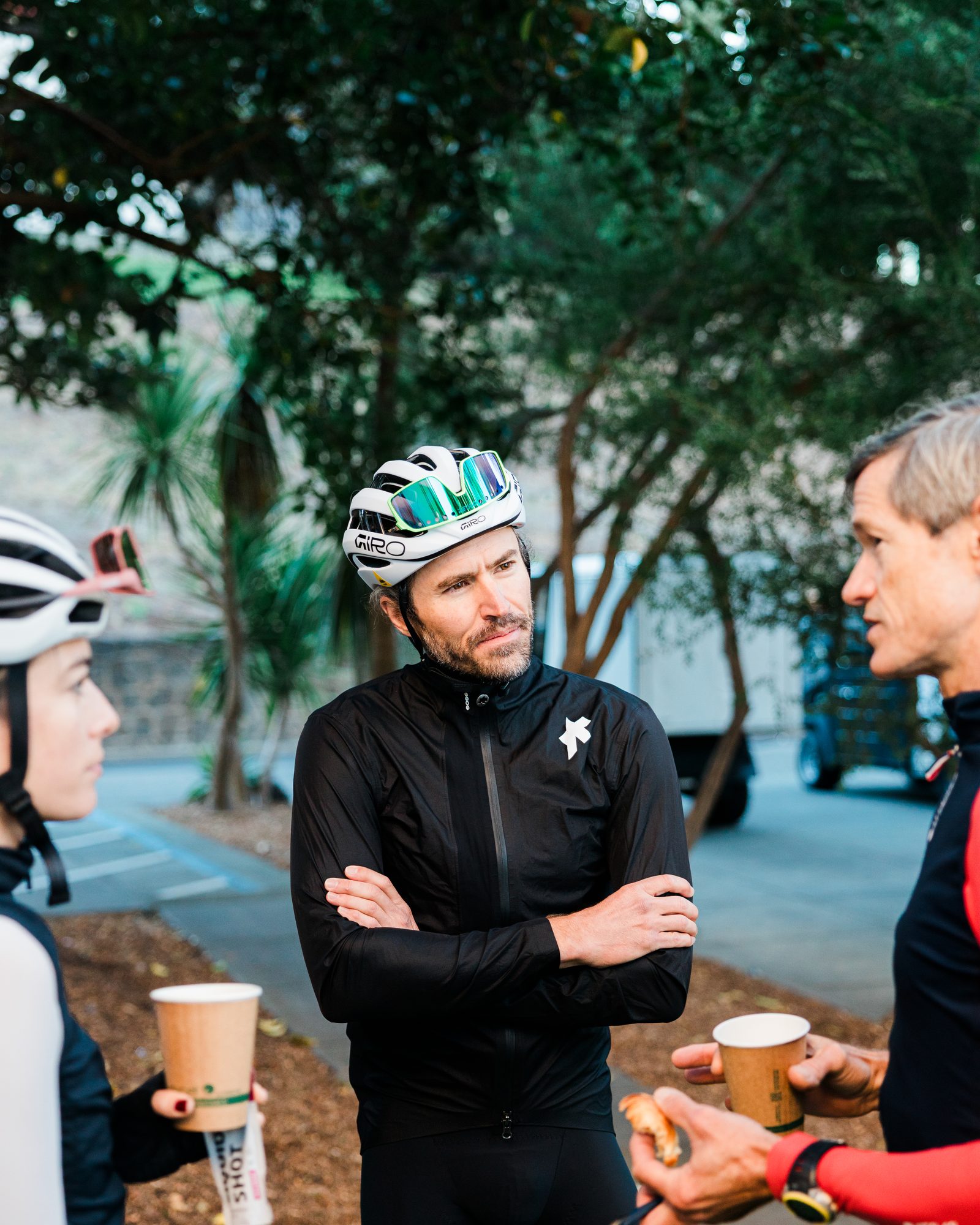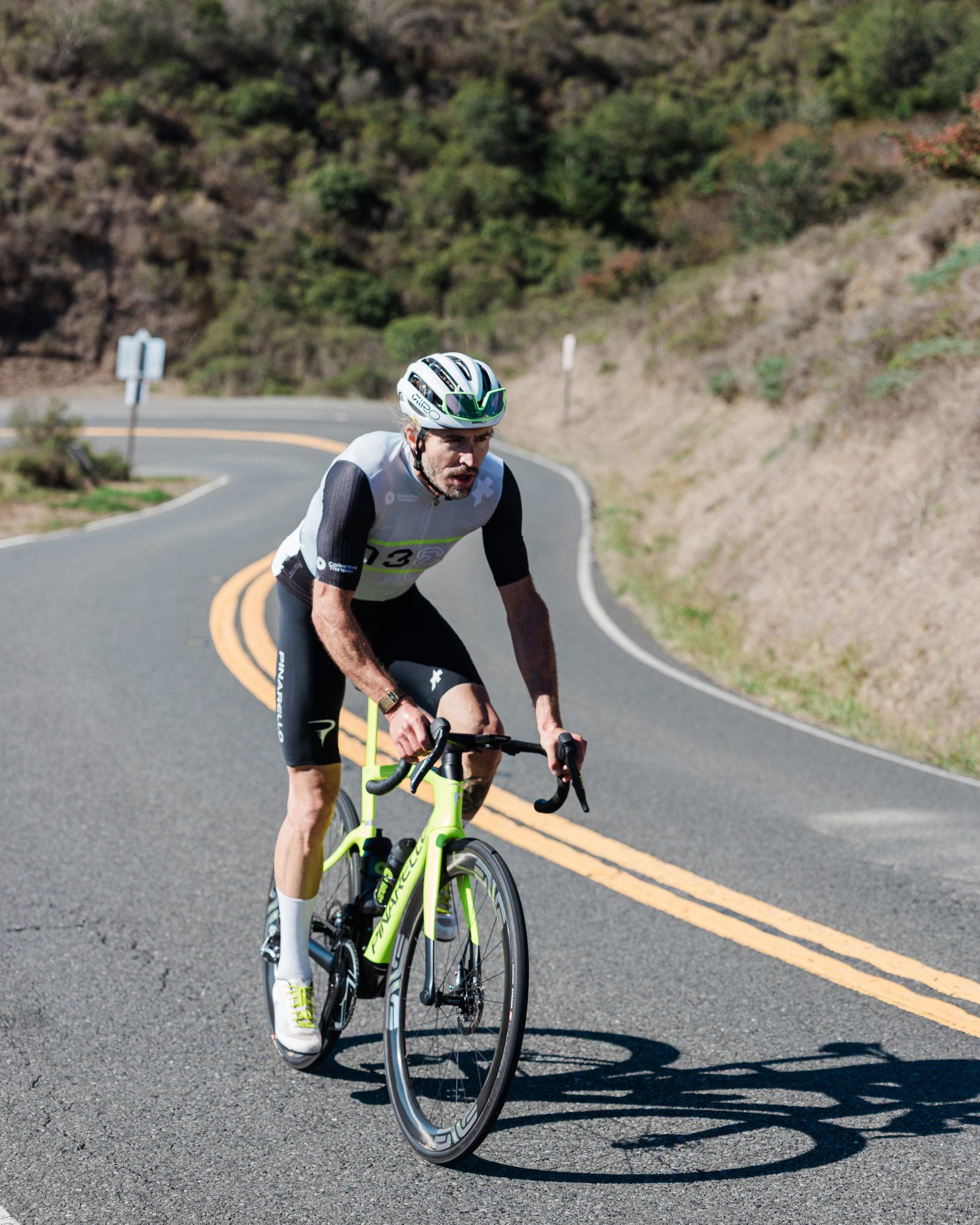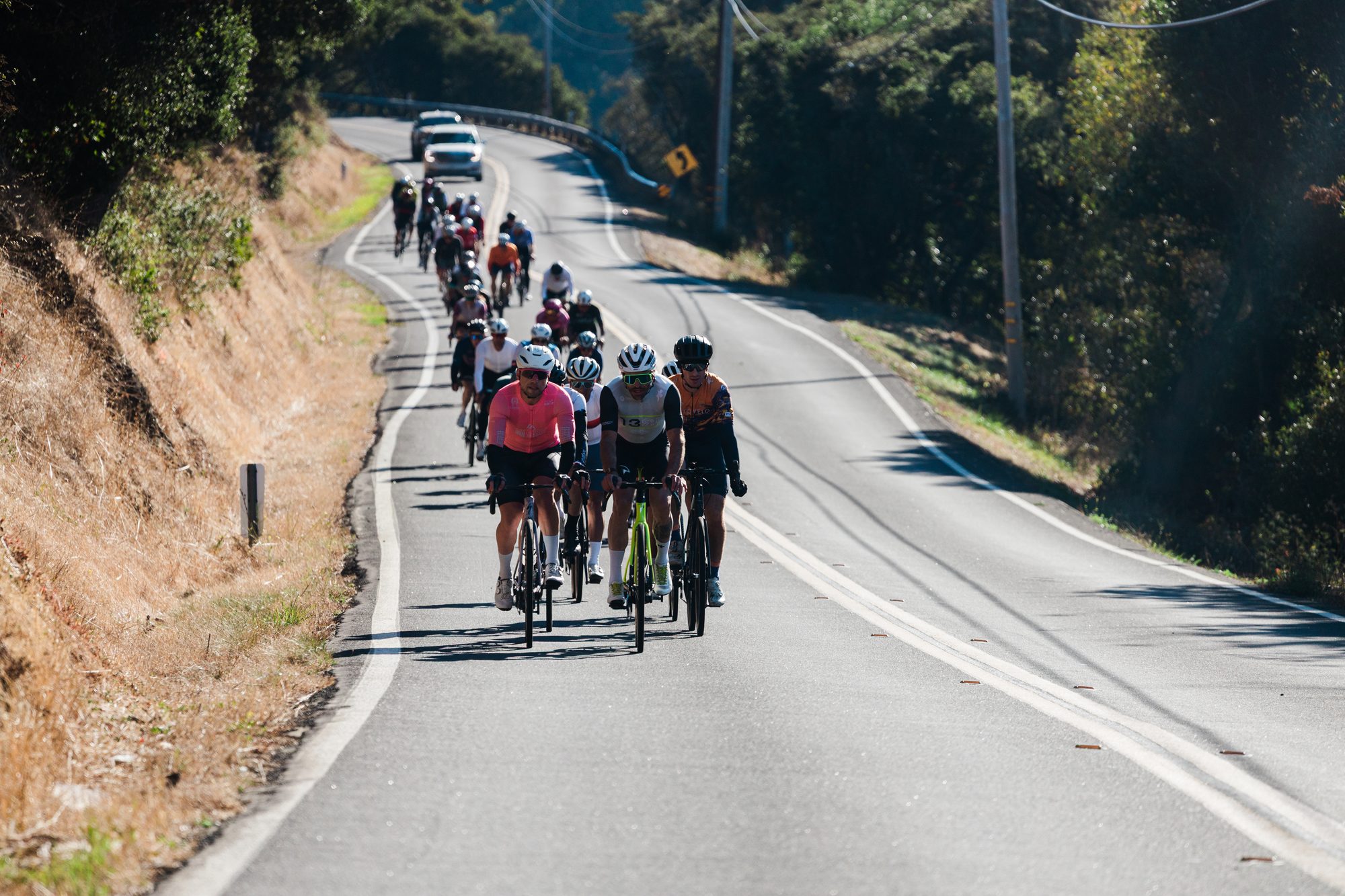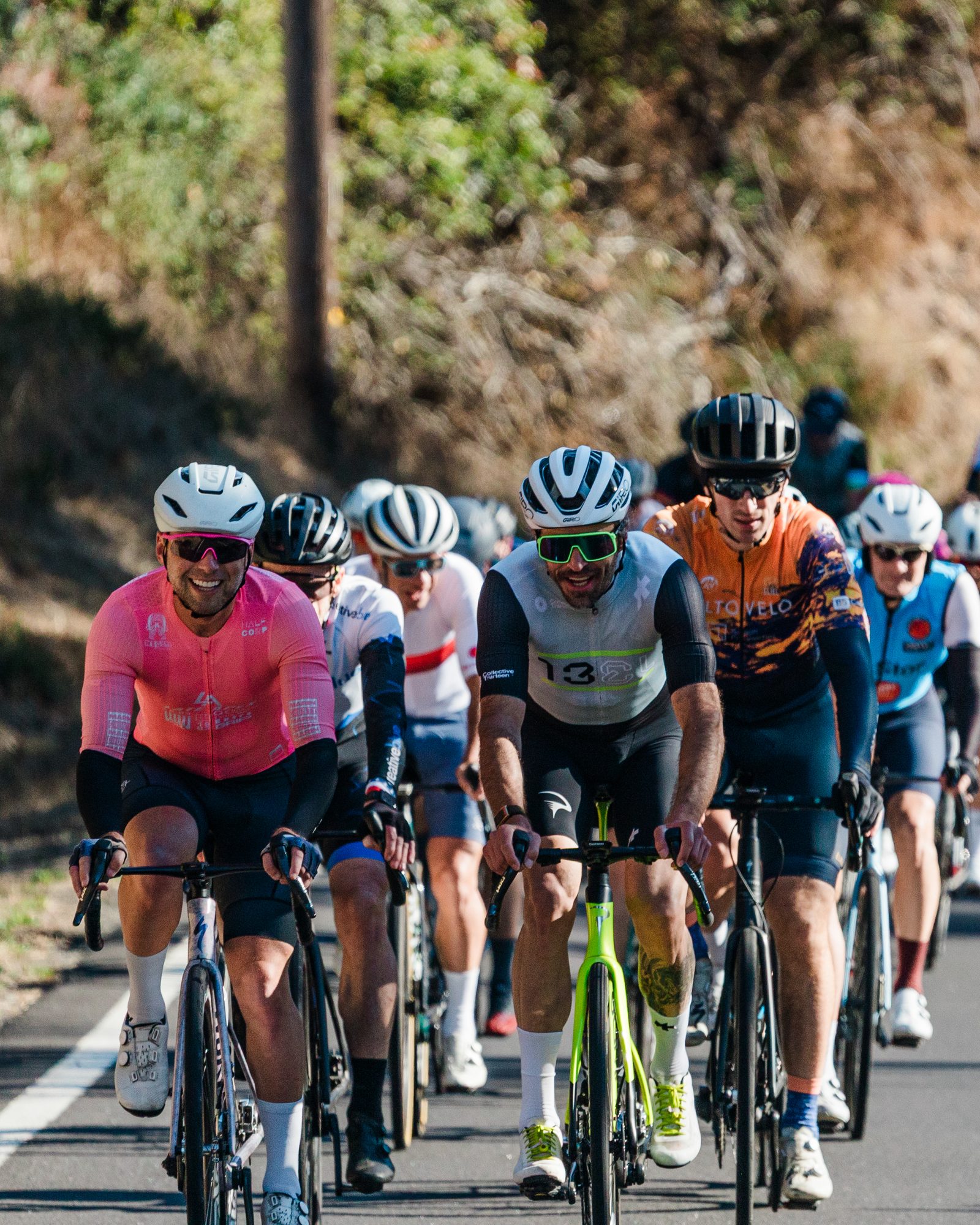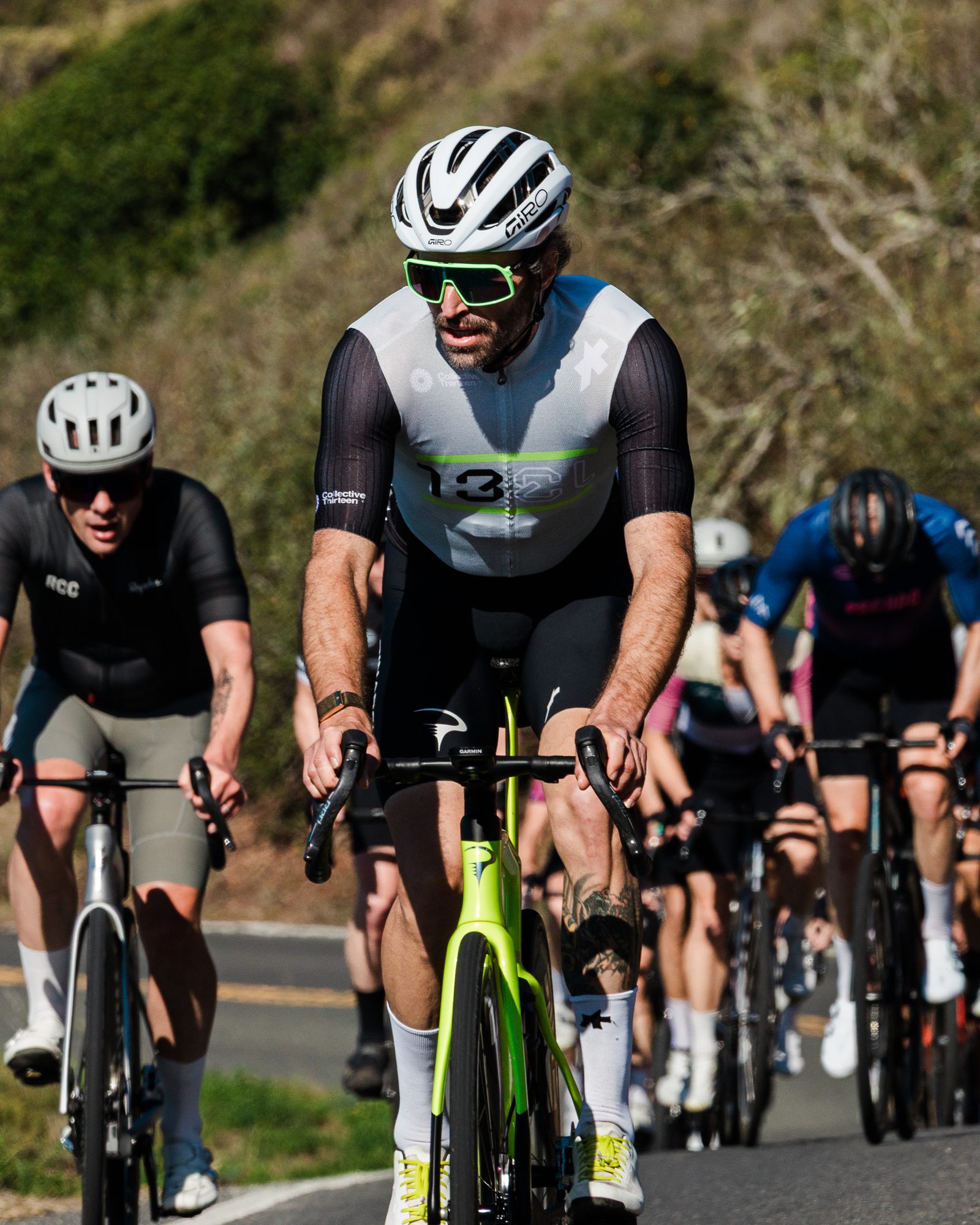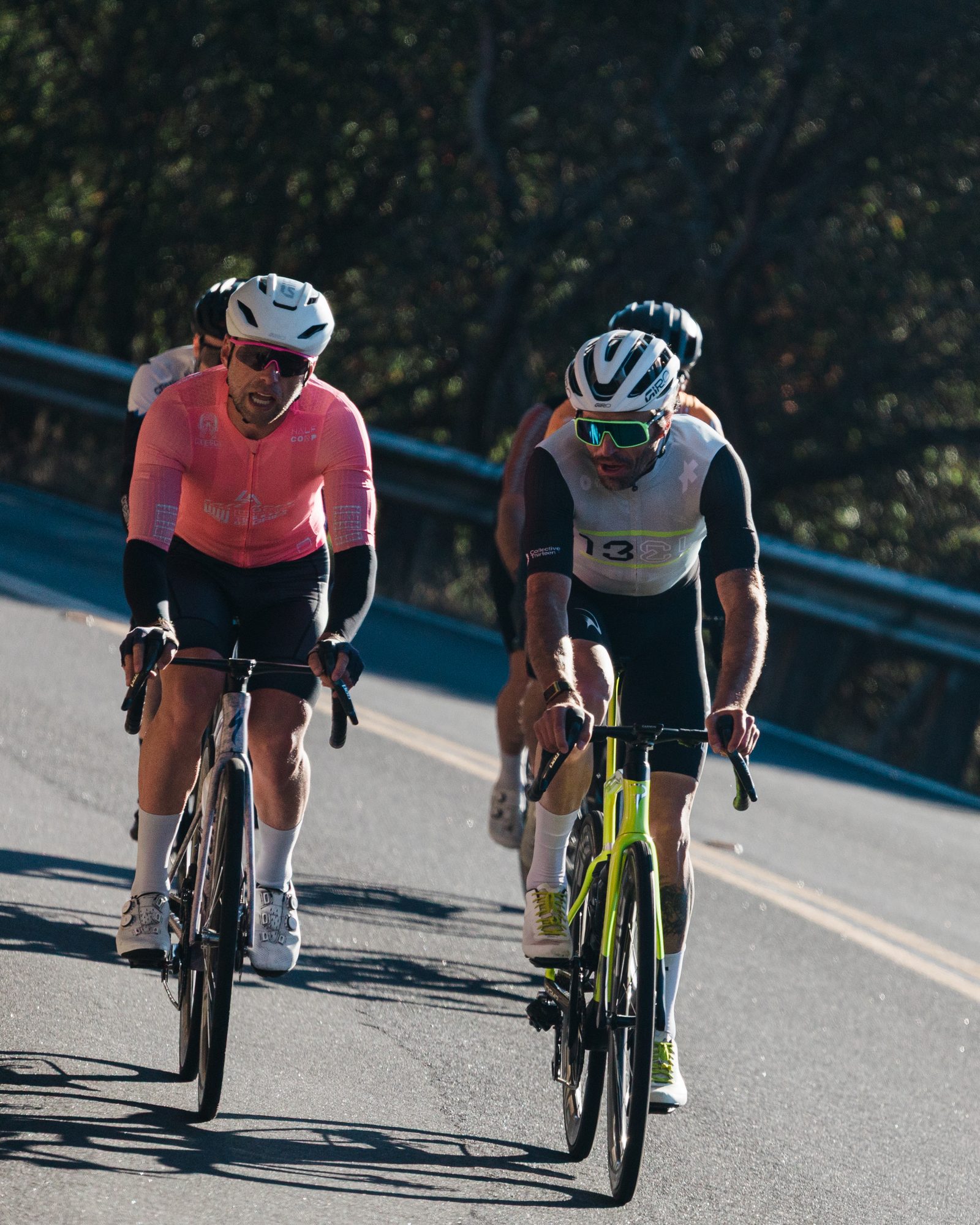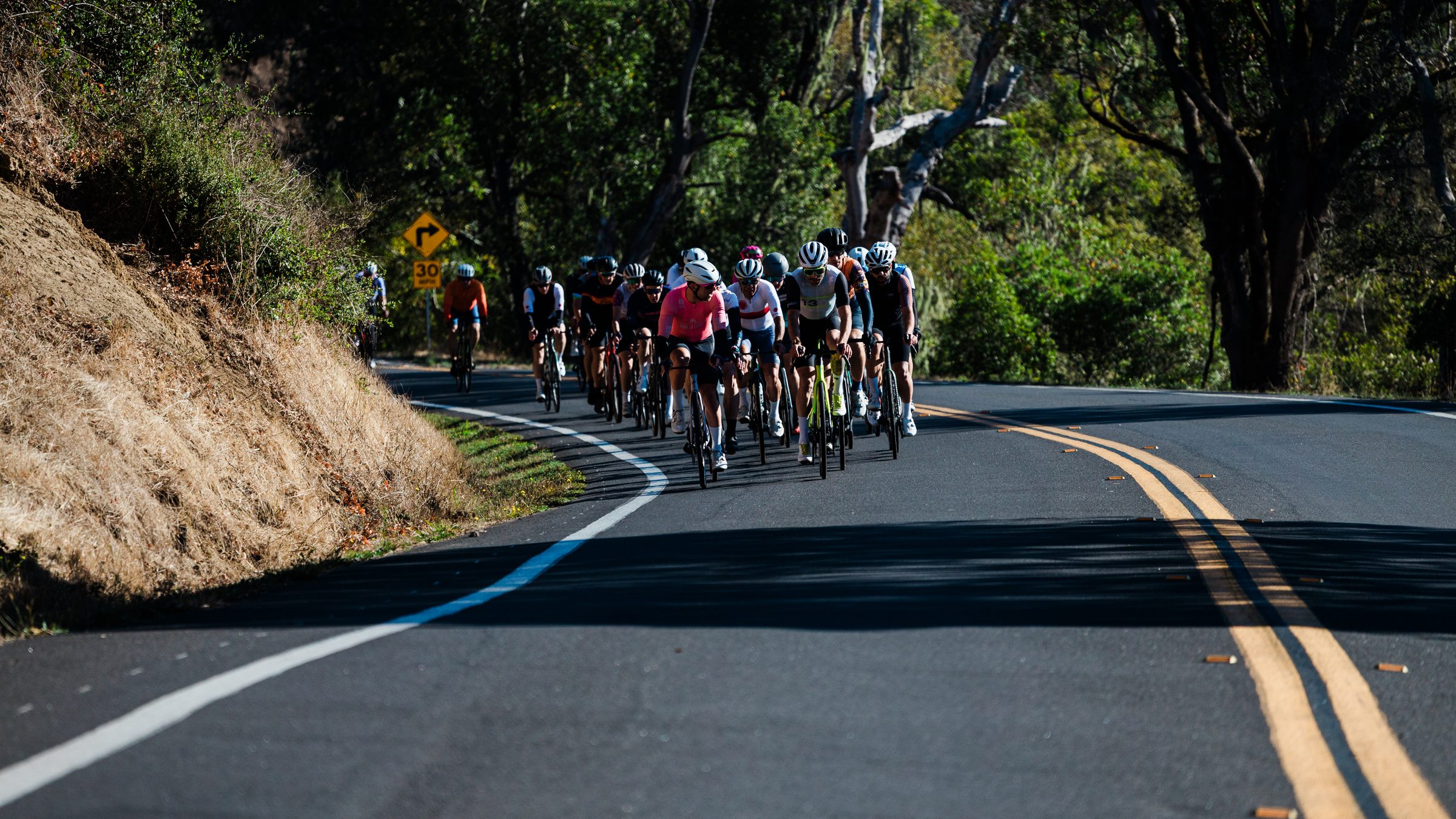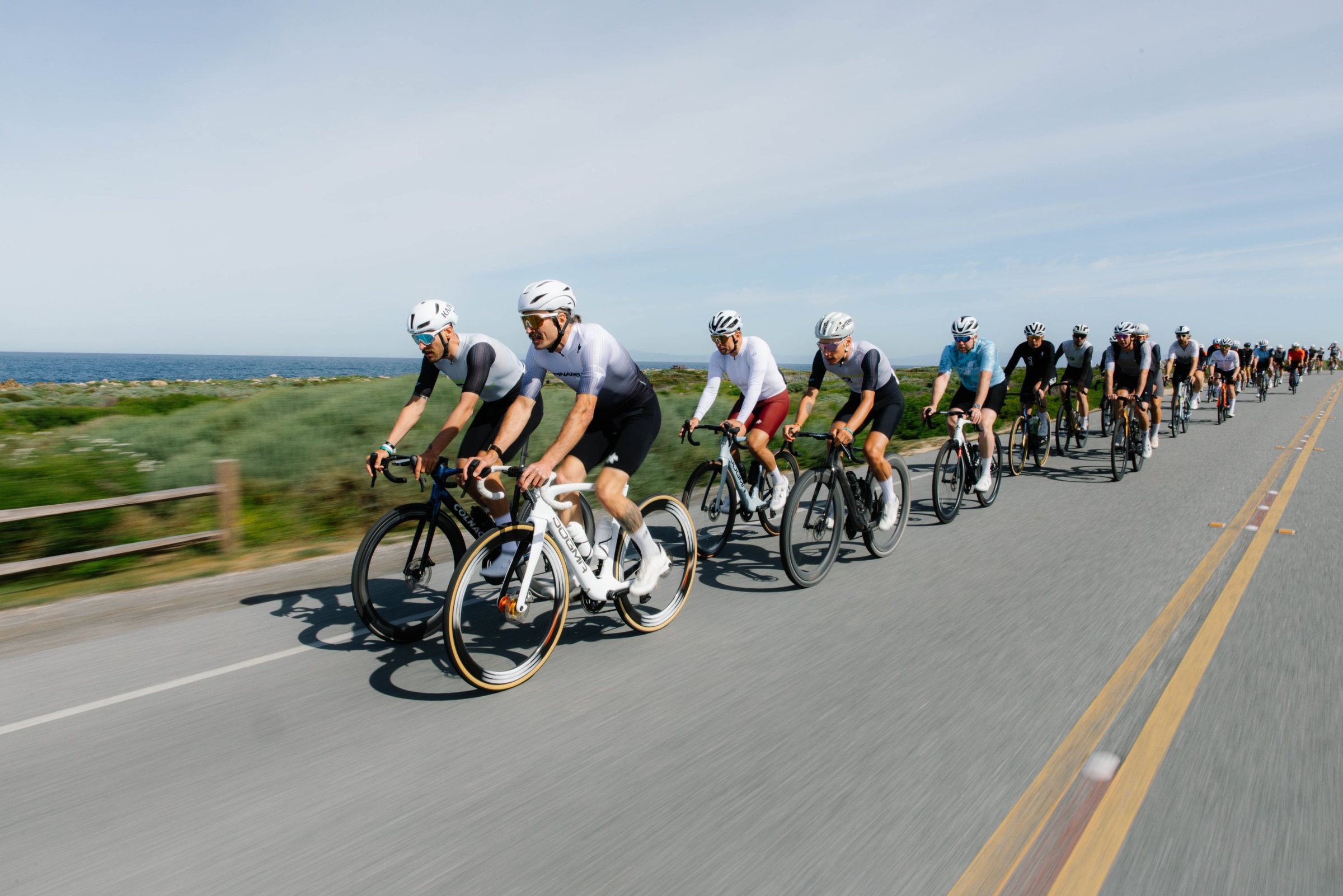
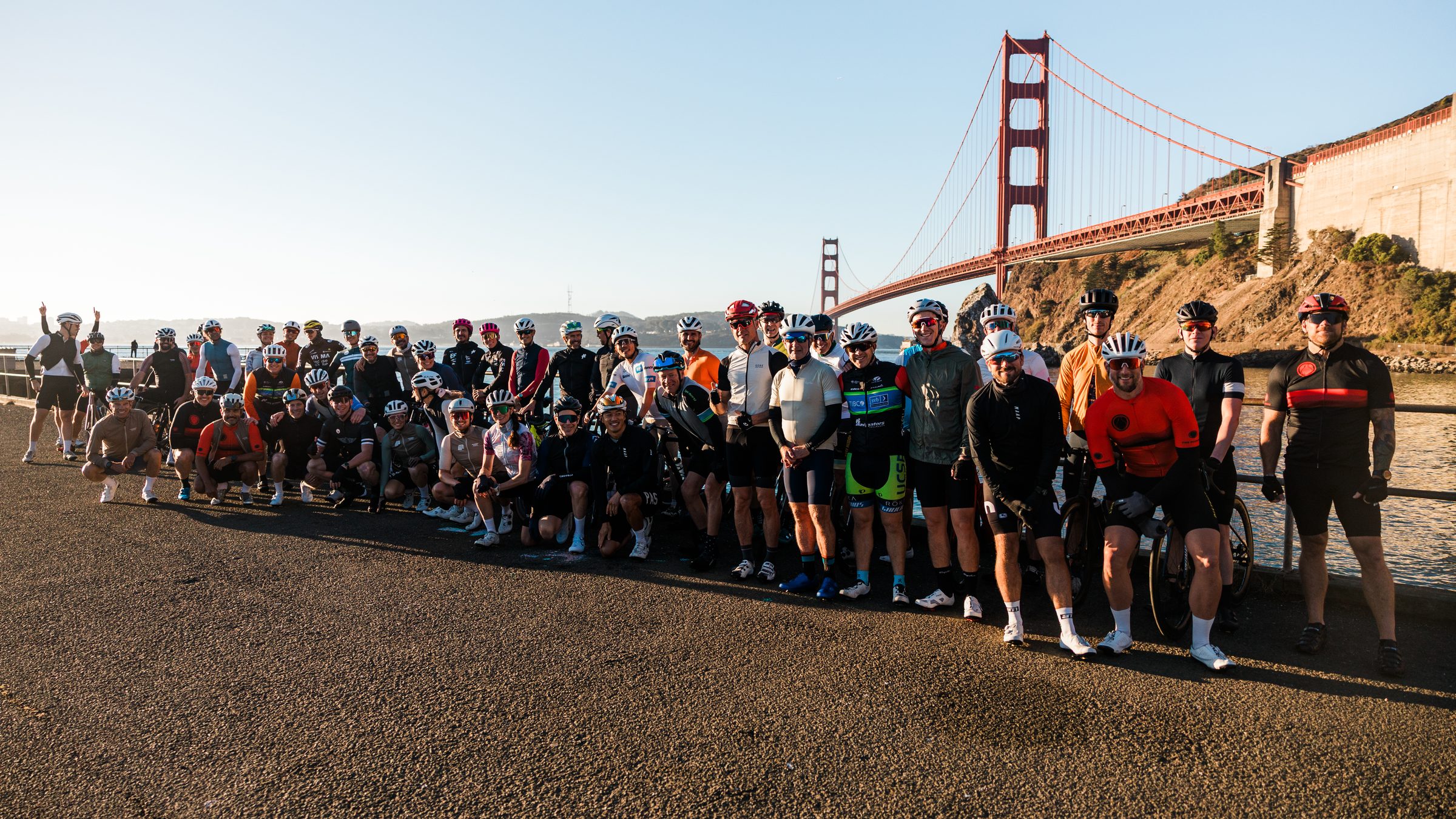
Last weekend, somewhere within a procession of 75 cyclists, I turned to my dear friend Piers and remarked on the peculiar tendency of cyclists to congregate in packs whenever there’s a charitable cause worth supporting. It was an observation made with affection rather than criticism, although the irony of ostensibly doing something benevolent while simultaneously exasperating a succession of motorists wasn’t entirely lost on me. What interested me was the curious ritual itself: Why, when presented with an opportunity to make a positive contribution to something beyond ourselves, do we so instinctively organize a group ride?
It’s a seemingly innocuous question, but one that occupied my thoughts for much of the following couple of hours.
I’ve participated in countless events throughout my cycling life, many of them charitable, others ostensibly social, and some existing in that ambiguous territory where the distinction becomes largely irrelevant. Over the past three years in particular, I’ve worked deliberately with brands to cultivate genuine community, bringing people together around something we already share and, ideally, giving those relationships a reason to exist beyond the transactional boundaries of a brand affiliation.
That work has given me plenty of opportunities to consider what makes a community authentic, what motivates people to participate, and why certain gatherings leave an impression long after everyone has packed their bicycles into their cars and gone home. Yet, despite all that contemplation, I hadn’t given much consideration to the rather obvious question of why we feel compelled to share the experience in the first place.
Eventually, I arrived at an answer almost embarrassingly uncomplicated in its premise: Riding a bicycle makes me profoundly happy.
I don’t mean that in some abstract, sentimental sense. I’m referring to the extraordinary satisfaction of spending hours moving through beautiful places under your own power, enjoying the company of people you admire, and returning home with the pleasant fatigue that accompanies a day well spent. There is something wonderfully uncomplicated about the experience, particularly when contrasted with the increasingly convoluted world we inhabit outside of it.
I read the news voraciously, probably more than is particularly good for me, and frequently find myself bewildered by the sheer amount of energy humanity devotes to manufacturing conflict. Politicians seem perfectly content to perpetuate interminable arguments, business leaders engage in gratuitous antagonism, and communities fracture over grievances whose significance appears inversely proportional to the hostility they generate. In an information economy that has become remarkably proficient at monetizing acrimony, even the most inconsequential disagreements can be transformed into opportunities for widespread indignation.
None of this is to suggest that the problems facing the world are inconsequential, or that retreating into one’s own interests constitutes some enlightened philosophical position. Quite the contrary. I simply find myself increasingly attracted to an existence whose aspirations are considerably less elaborate than those we’re routinely encouraged to pursue.
More often than not, I just want to make enough money to ride my bicycle in beautiful places, eat decent food, and spend time with the people I love. If I can do those three things with some regularity, I find myself remarkably content with the arrangement.
And perhaps that’s the answer to the question I posed to Piers.
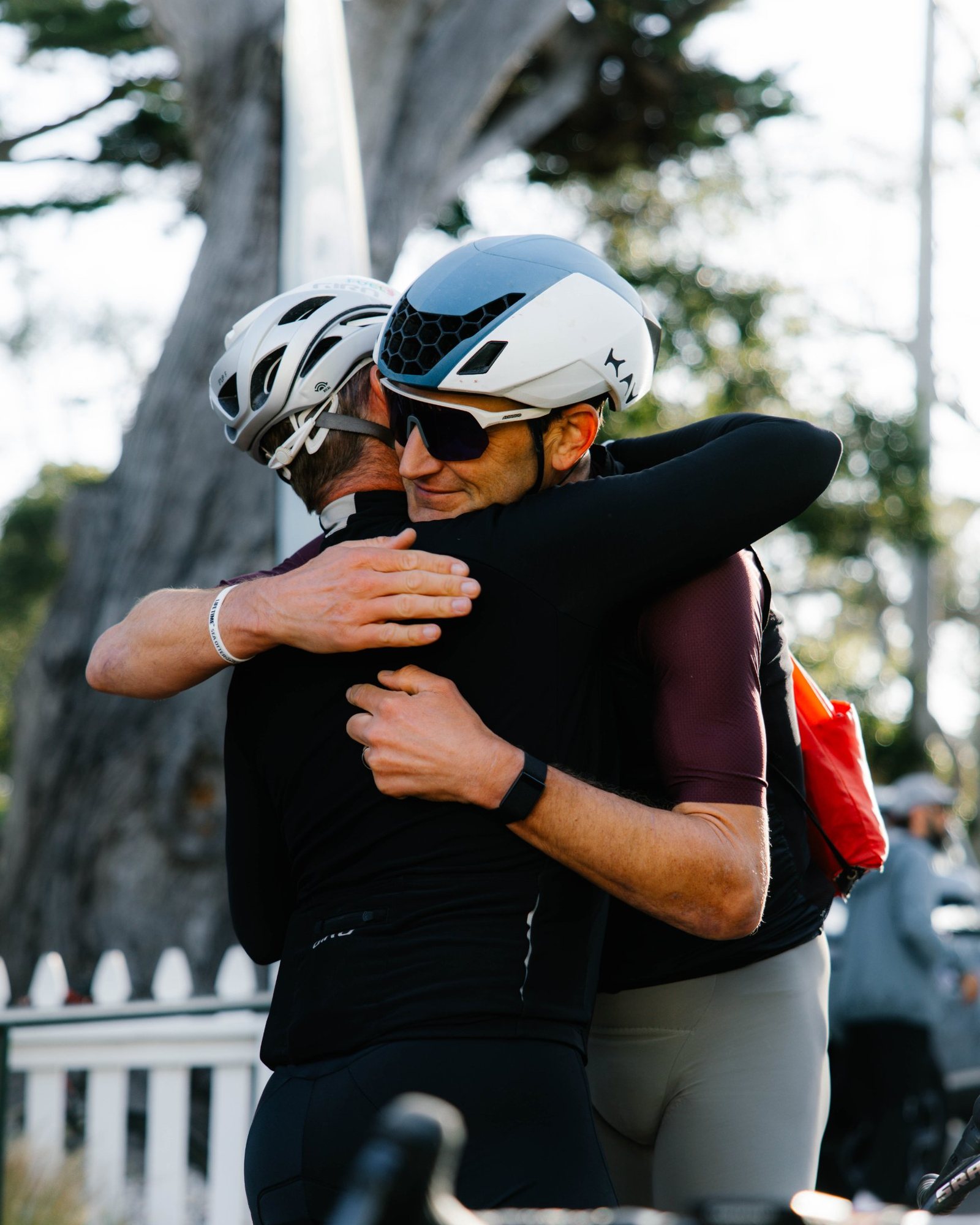
The inclination to gather in support of a cause may have less to do with cycling itself than with our desire to extend something we find immensely fulfilling to people beyond our immediate circle. These events create a small, temporary community united by an uncomplicated objective, where personal enjoyment and collective benevolence aren’t competing interests but rather mutually reinforcing ones.
There’s something particularly appealing about that arrangement. We aren’t being asked to abandon something we love in service of a greater cause; we’re being given an opportunity to use it constructively. The bicycle, ordinarily a vehicle for our own recreation, becomes an instrument through which we can contribute to someone else’s circumstances, however modestly.
Of course, the people and organizations we’re supporting aren’t necessarily interested in bicycles, nor should we assume that our enthusiasm is somehow a universal remedy for life’s more formidable adversities. The significance lies in the opportunities our efforts might create: access to resources, meaningful relationships, a greater sense of belonging, or simply the reassurance that other people are sufficiently invested in your well-being to show up on your behalf.
This past weekend, Andrew Talansky invited me to join him in support of The Phoenix, an organization dedicated to helping people in recovery rebuild their lives through physical activity and genuine human connection. It’s a mission that resonates with me on a deeply personal level, particularly because it recognizes that recovery involves considerably more than the absence of a substance. The restoration of community, purpose, and meaningful relationships can be just as consequential.
By the conclusion of the event, we’d exceeded our fundraising goal by more than $10,000, an accomplishment that everyone involved should feel exceptionally good about. But while the financial contribution is gratifying, I’m far more interested in the less quantifiable possibility that our collective efforts might have made a meaningful difference in someone’s life. Perhaps the funds help someone discover a community they didn’t previously have, or give them access to an experience that alters their trajectory in some small but consequential way.
We may never know the full extent of that influence, which is perfectly fine with me. Not every worthwhile contribution needs to arrive with a measurable return or a compelling anecdote about the person whose life it changed.
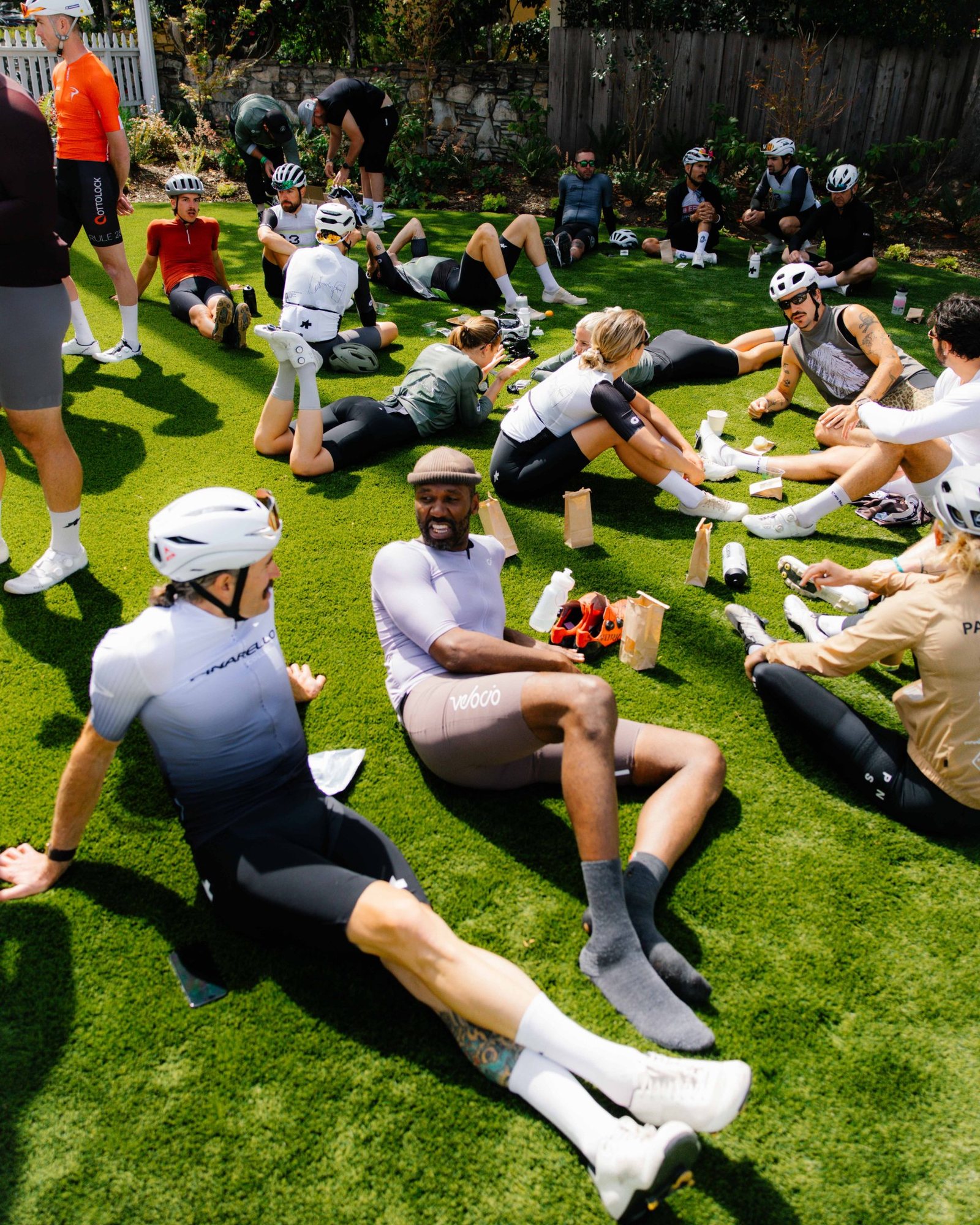
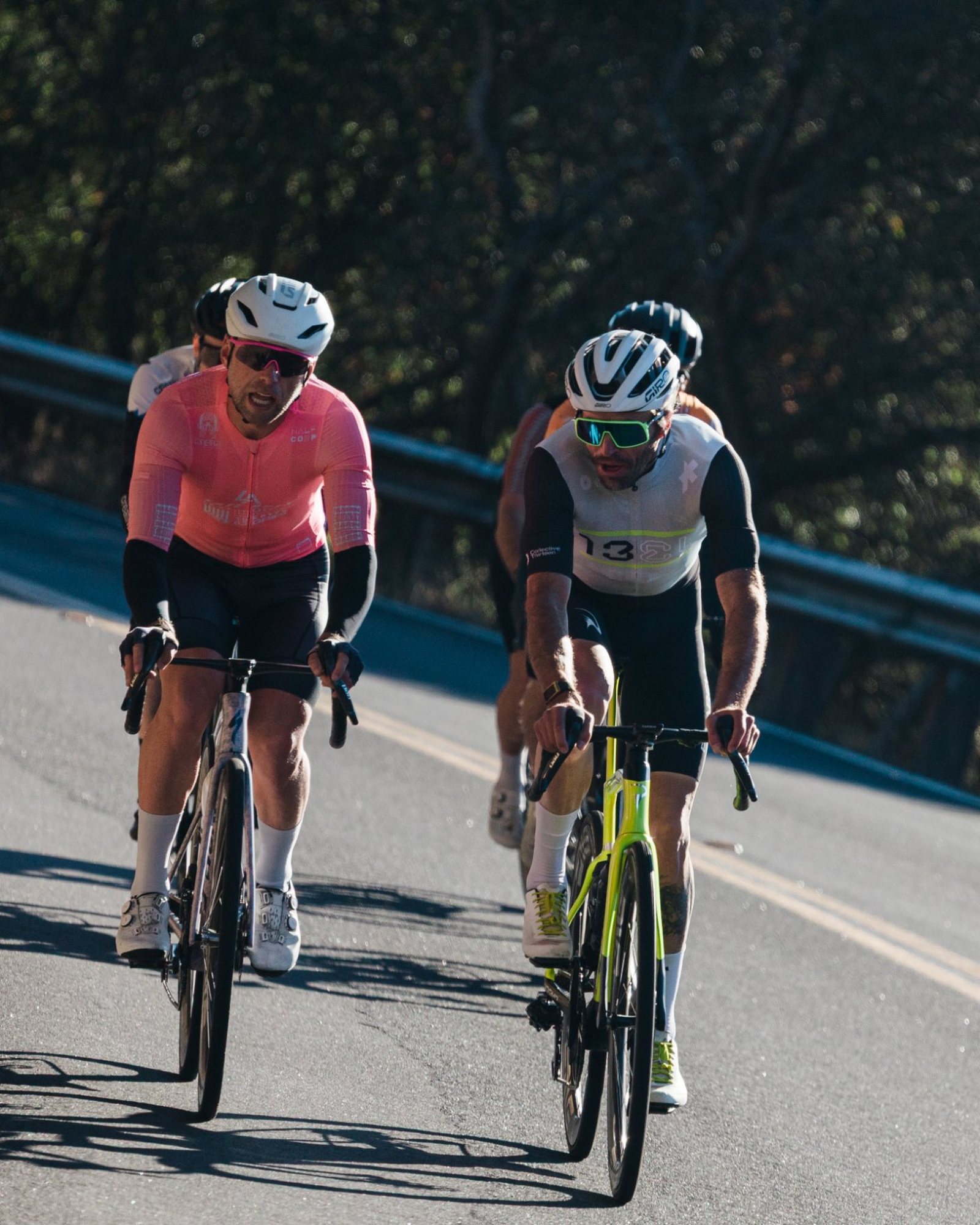
Looking back on the weekend, I find myself considerably less perplexed by our peculiar propensity to assemble in large, occasionally inconvenient groups. What initially struck me as an amusing contradiction now seems like a rather intuitive expression of what makes cycling so compelling in the first place: It’s an experience that becomes richer through the people with whom we share it, and perhaps richer still when that experience can benefit someone who wasn’t even along for the ride.
I’m already looking forward to what next year brings, and I’d be particularly interested in hearing about causes, organizations, or communities that might benefit from a few dozen cyclists and their occasionally excessive enthusiasm. If something comes to mind, please reach out. I’d genuinely welcome the opportunity to help.
After all, if I’m going to spend a perfectly good weekend riding my bicycle anyway, I can think of considerably worse things to accomplish along the way.