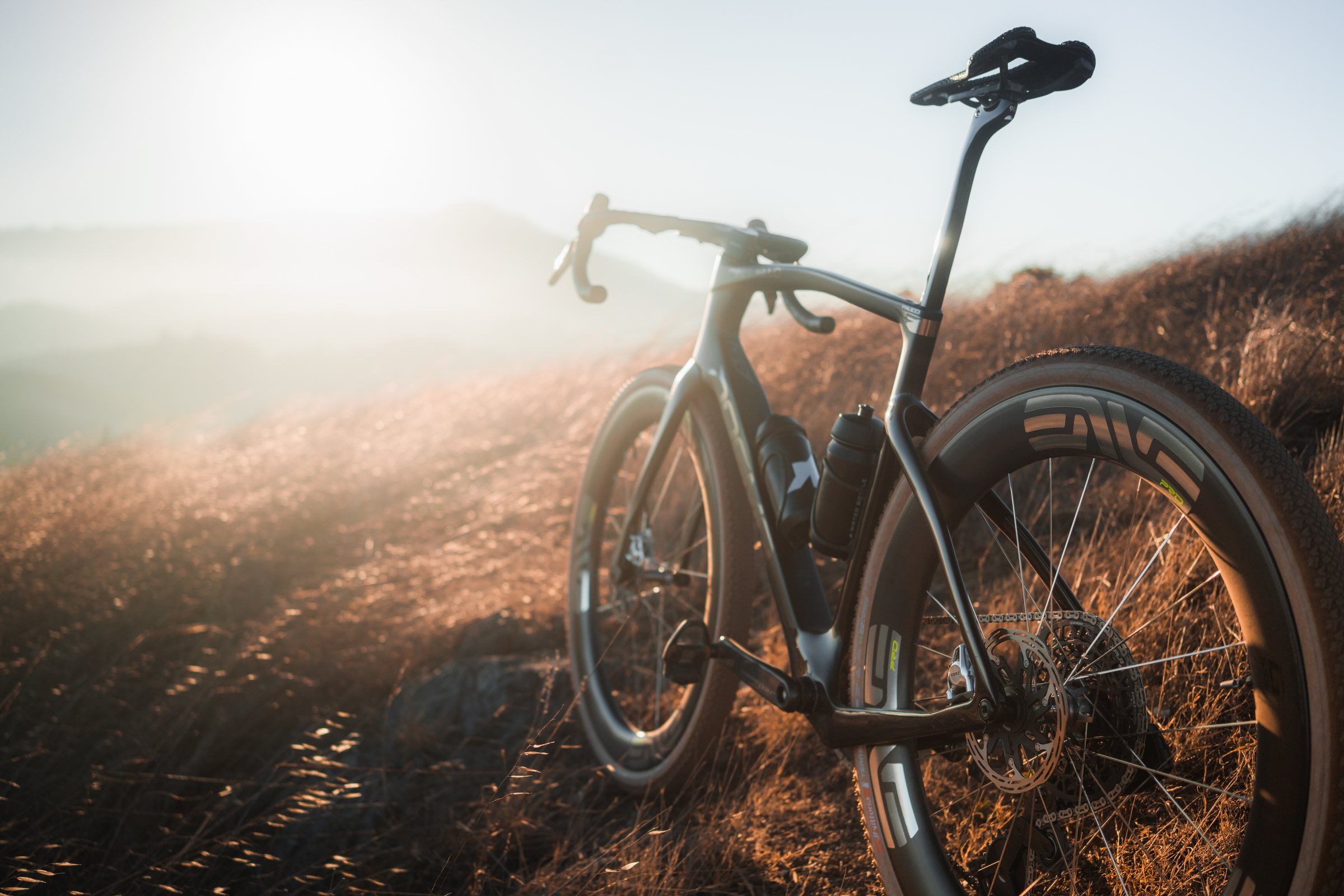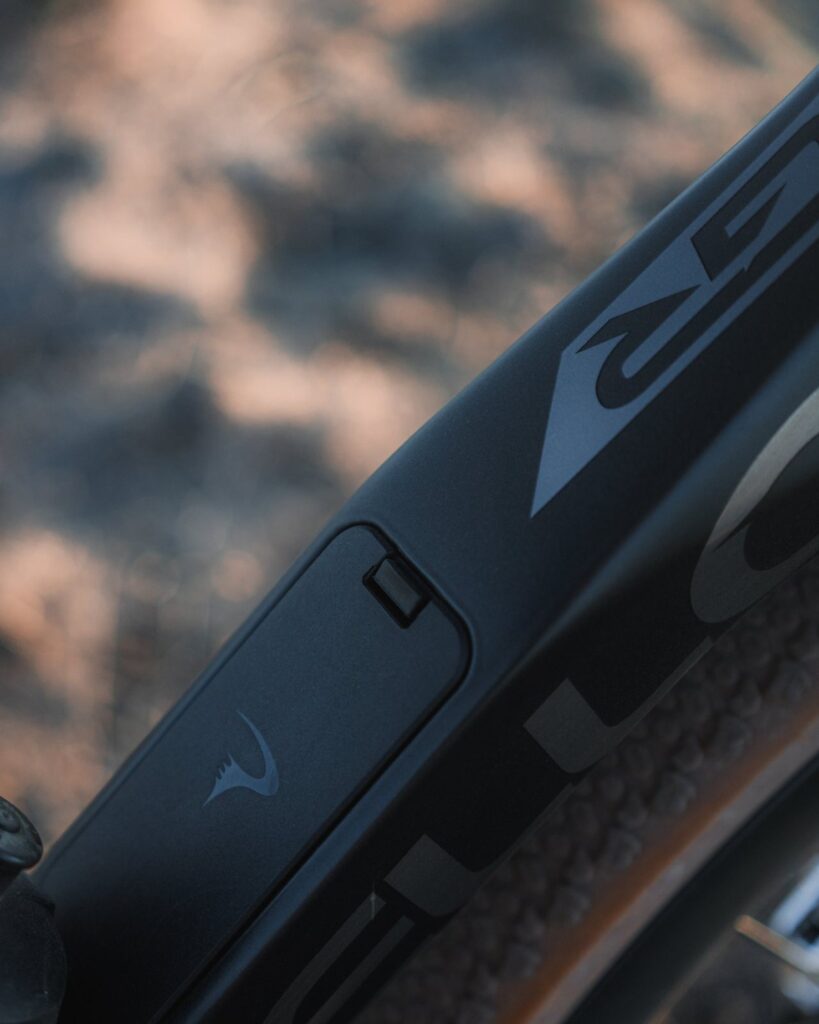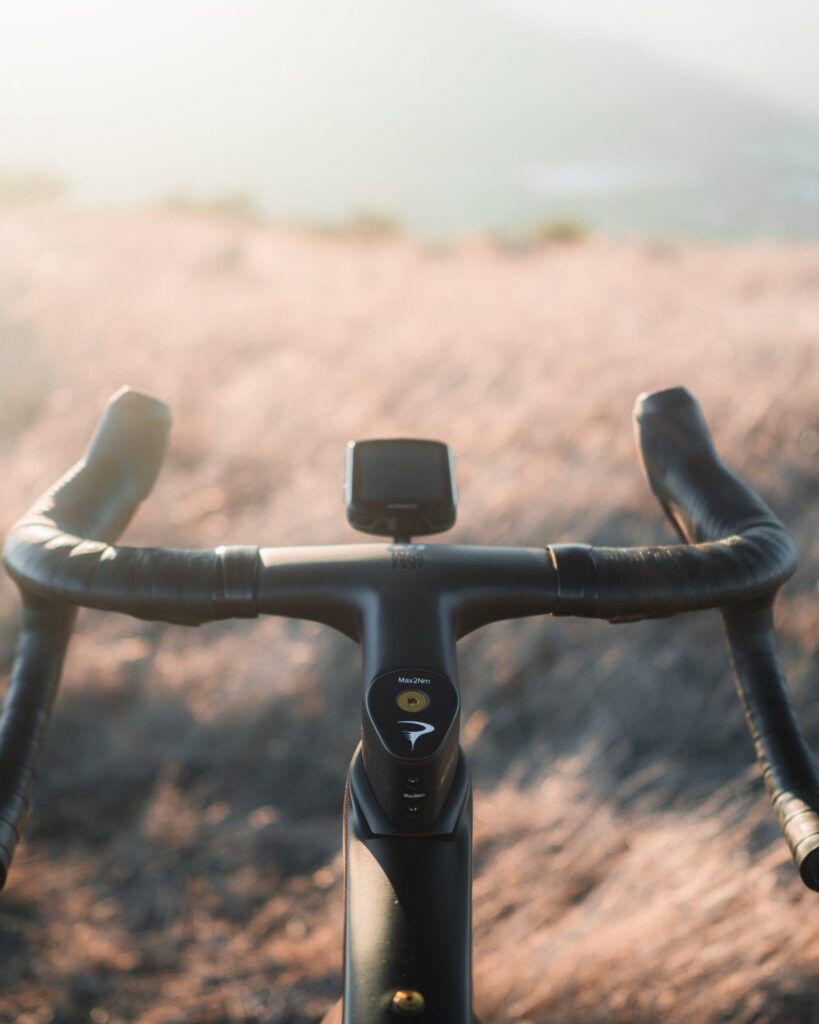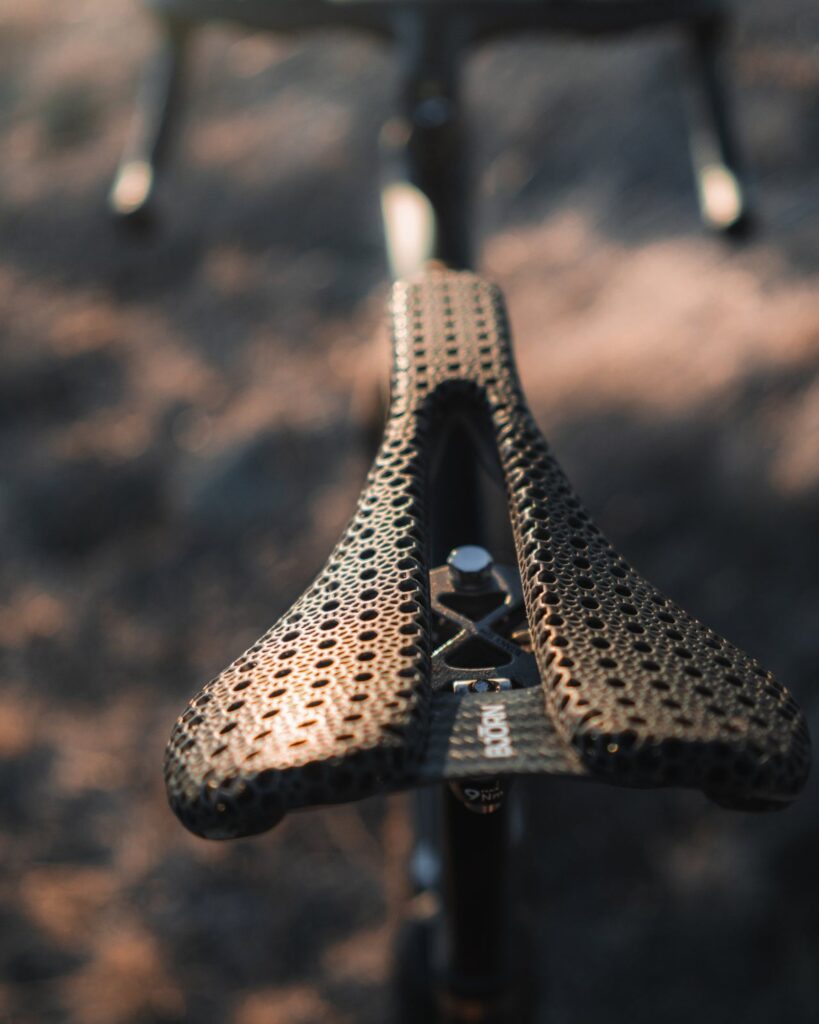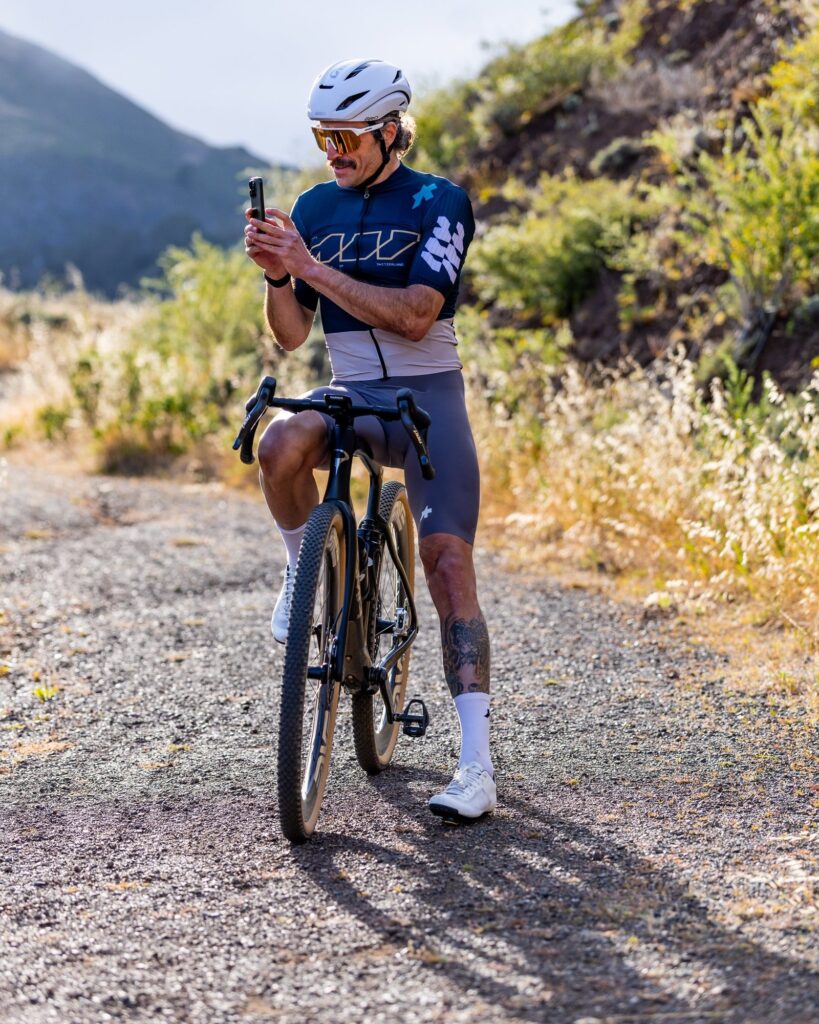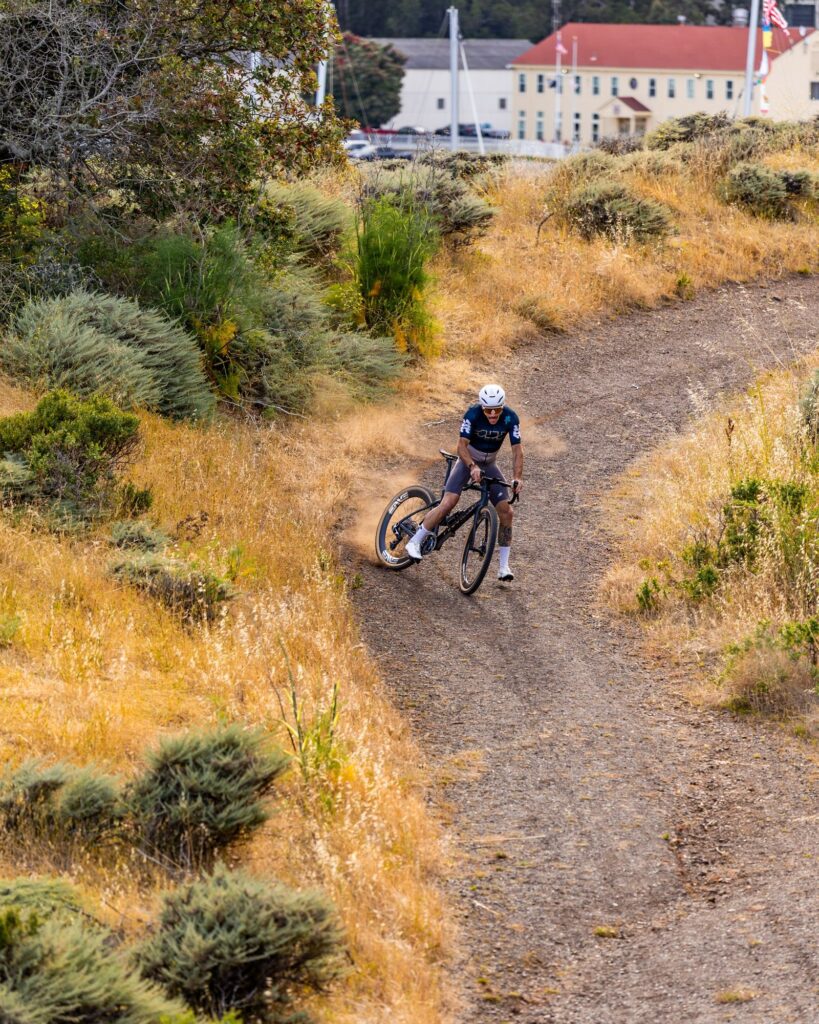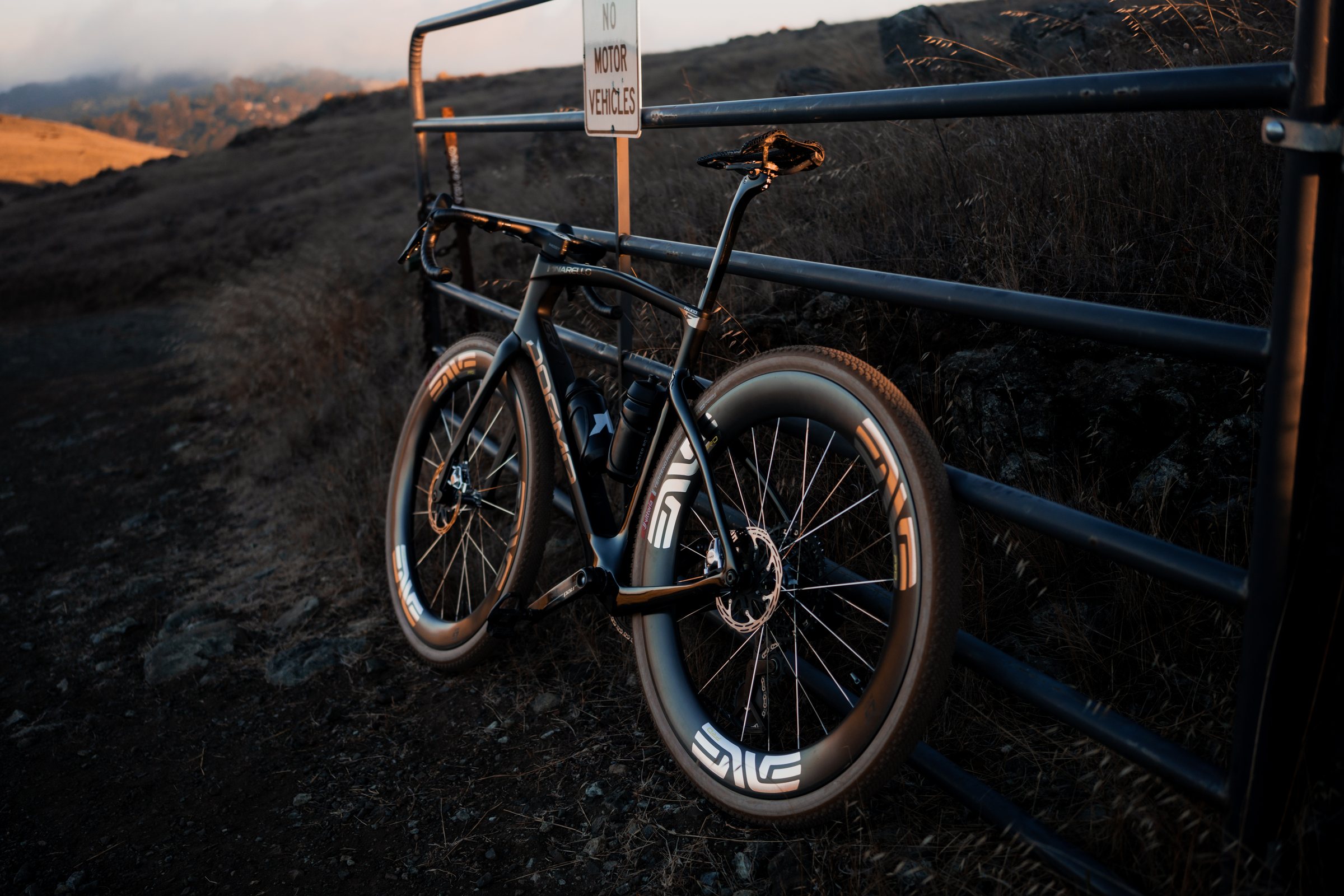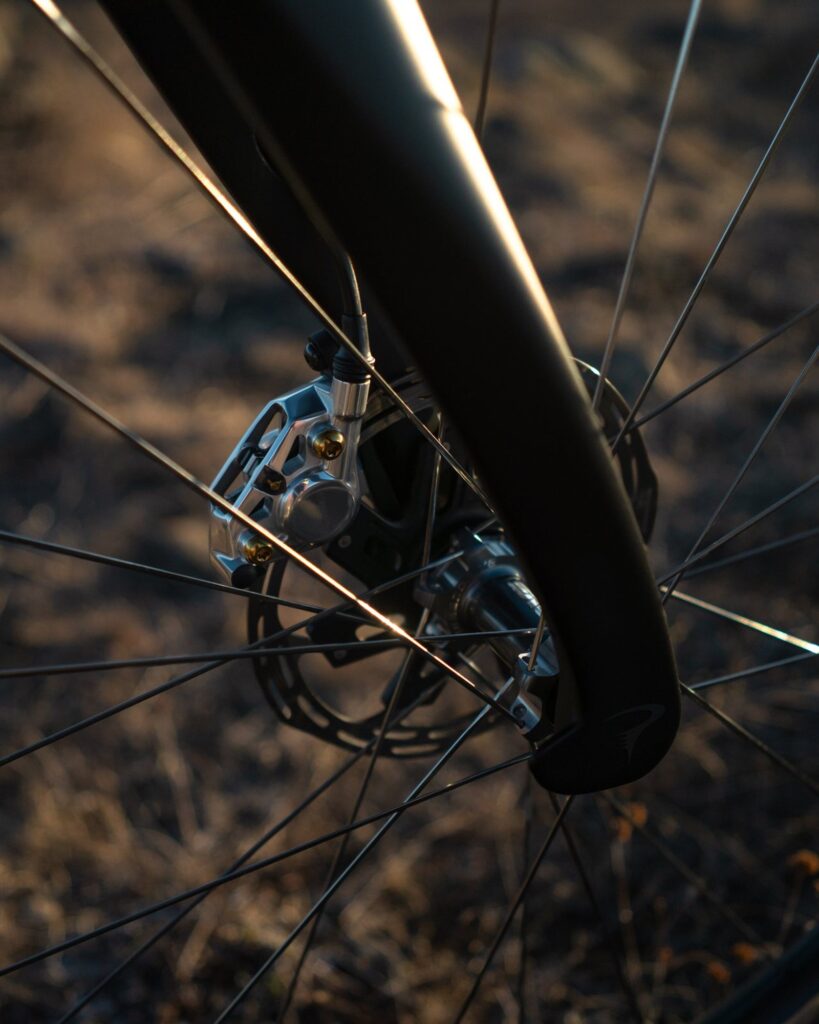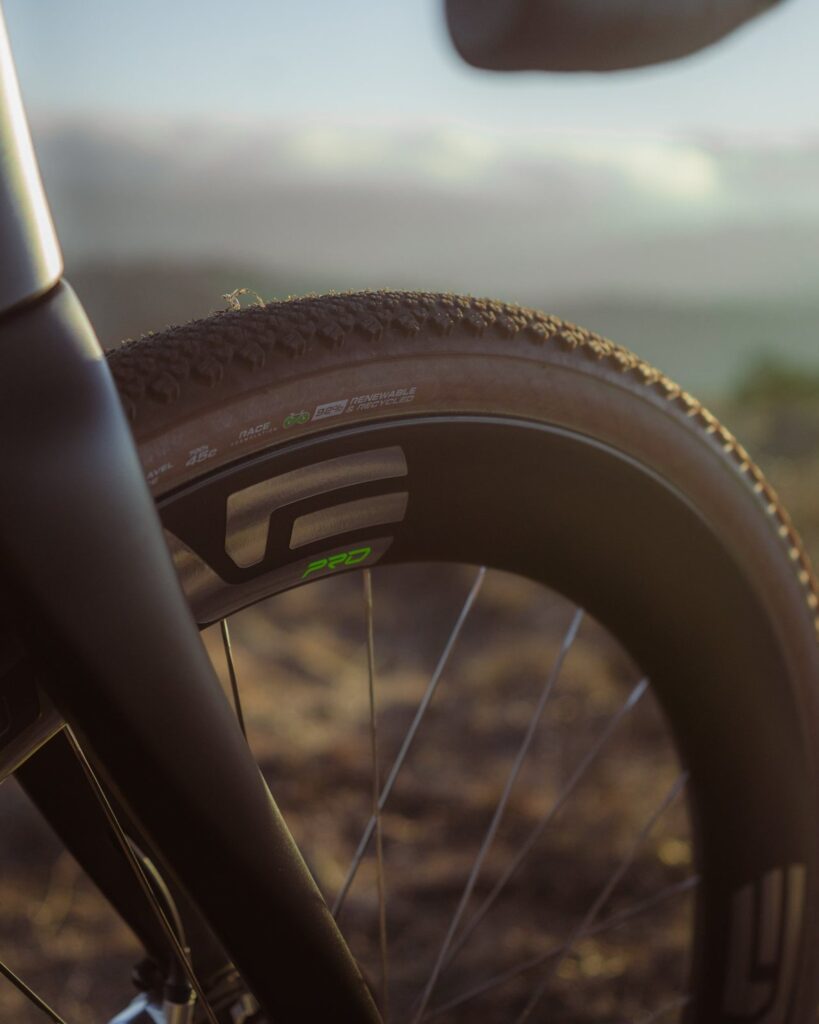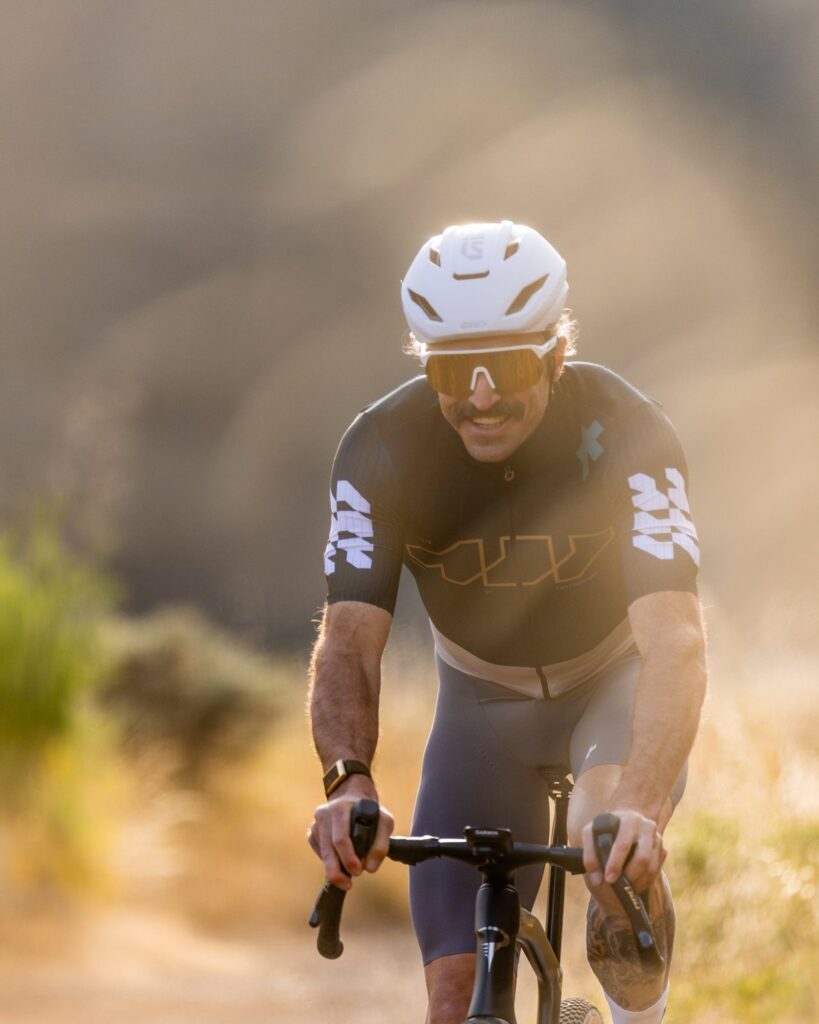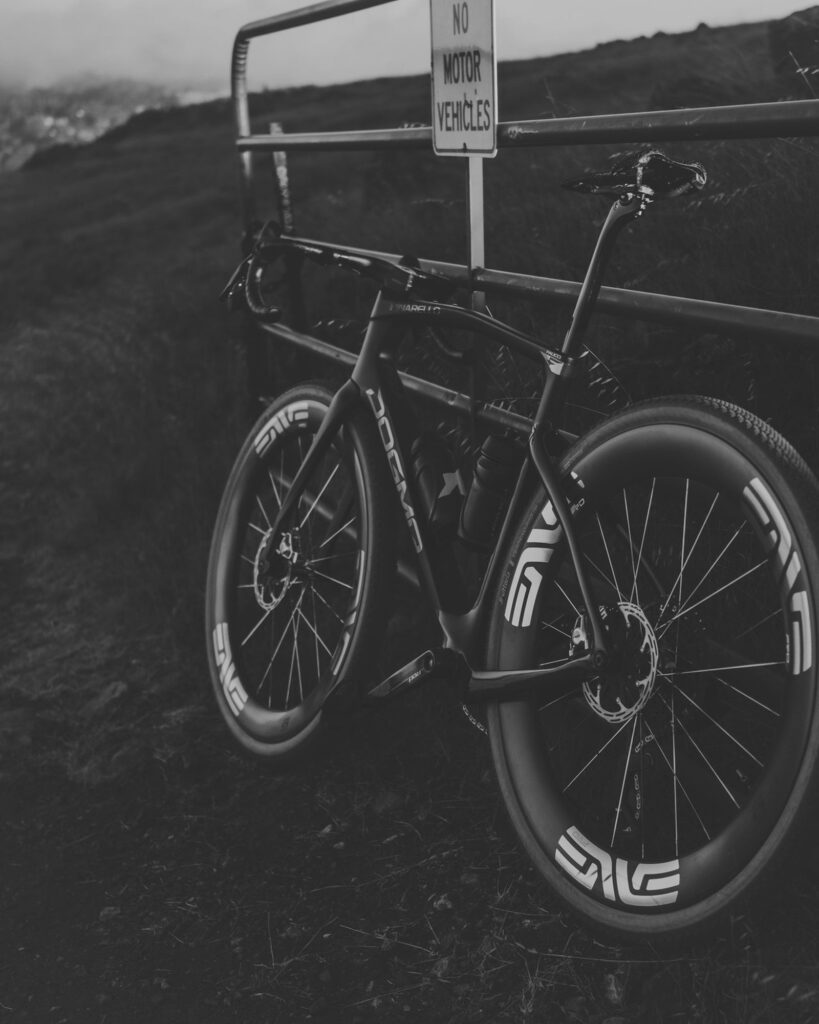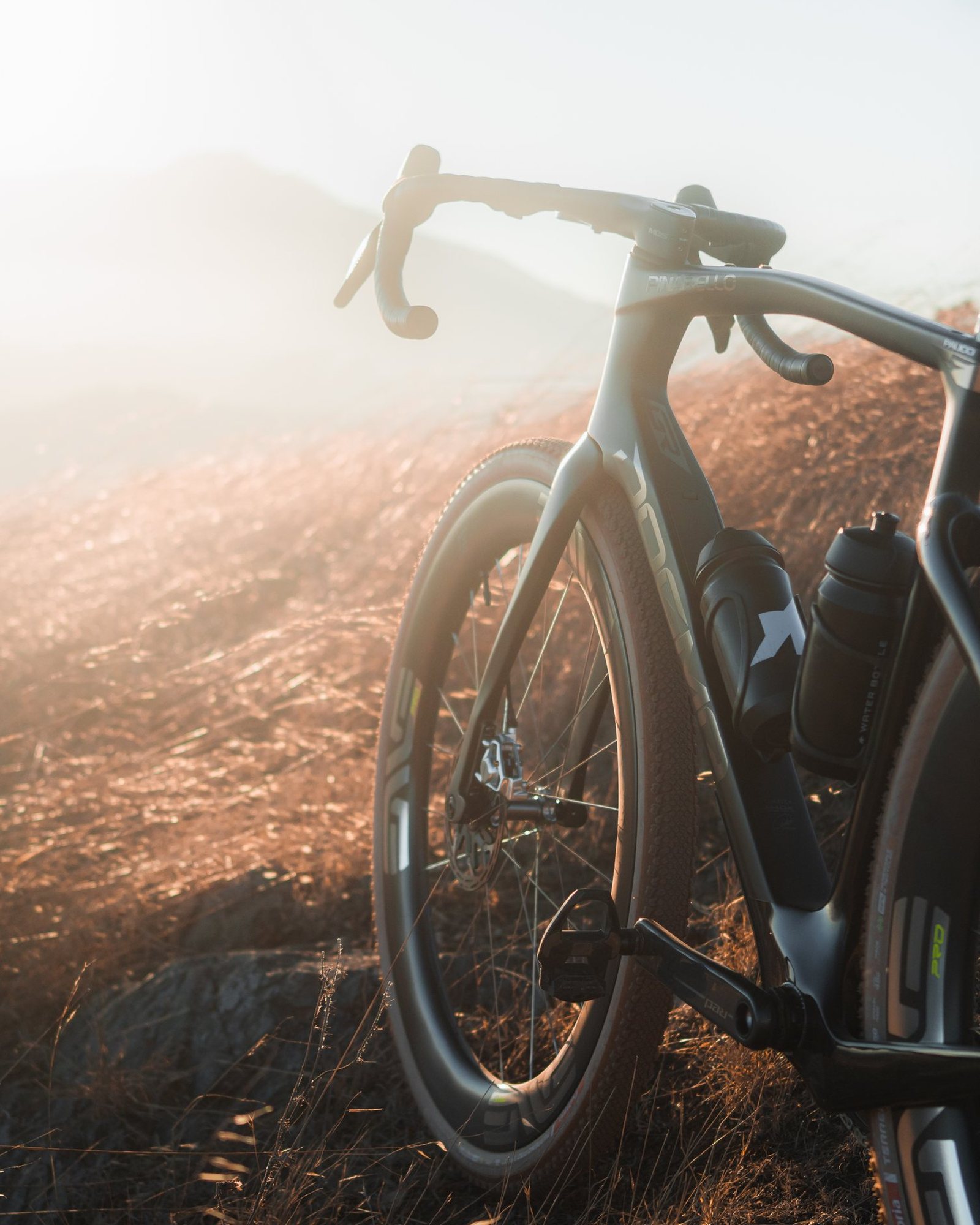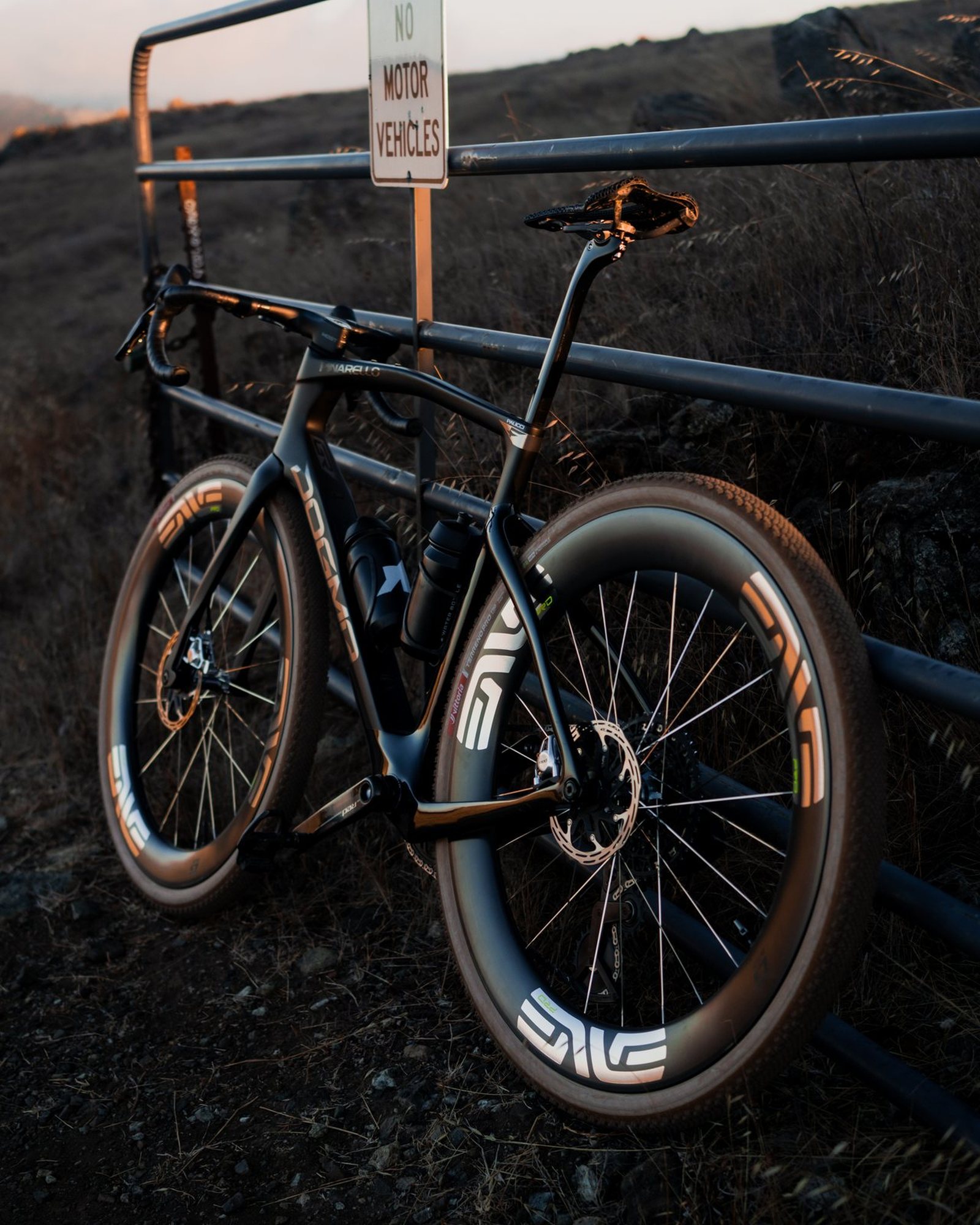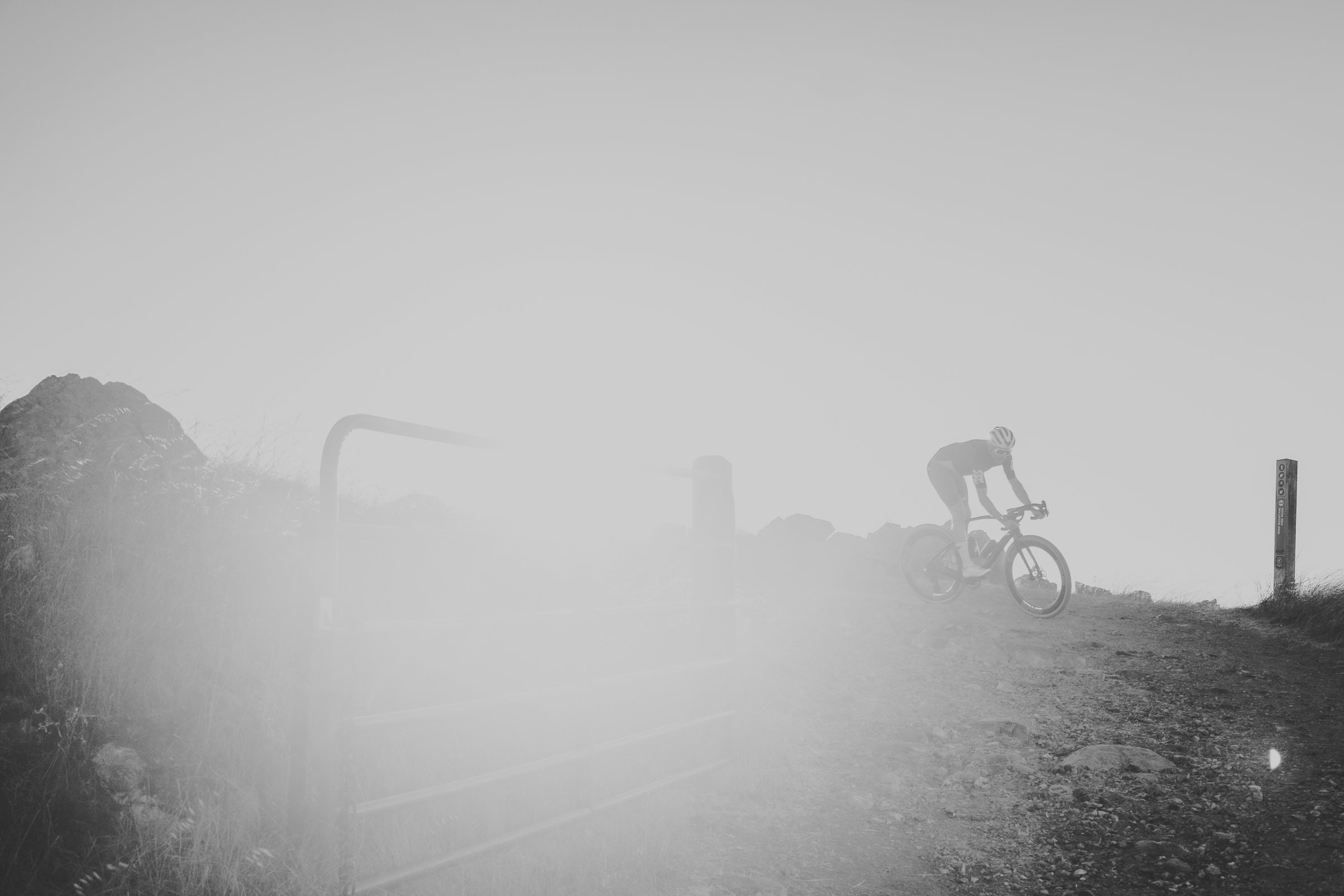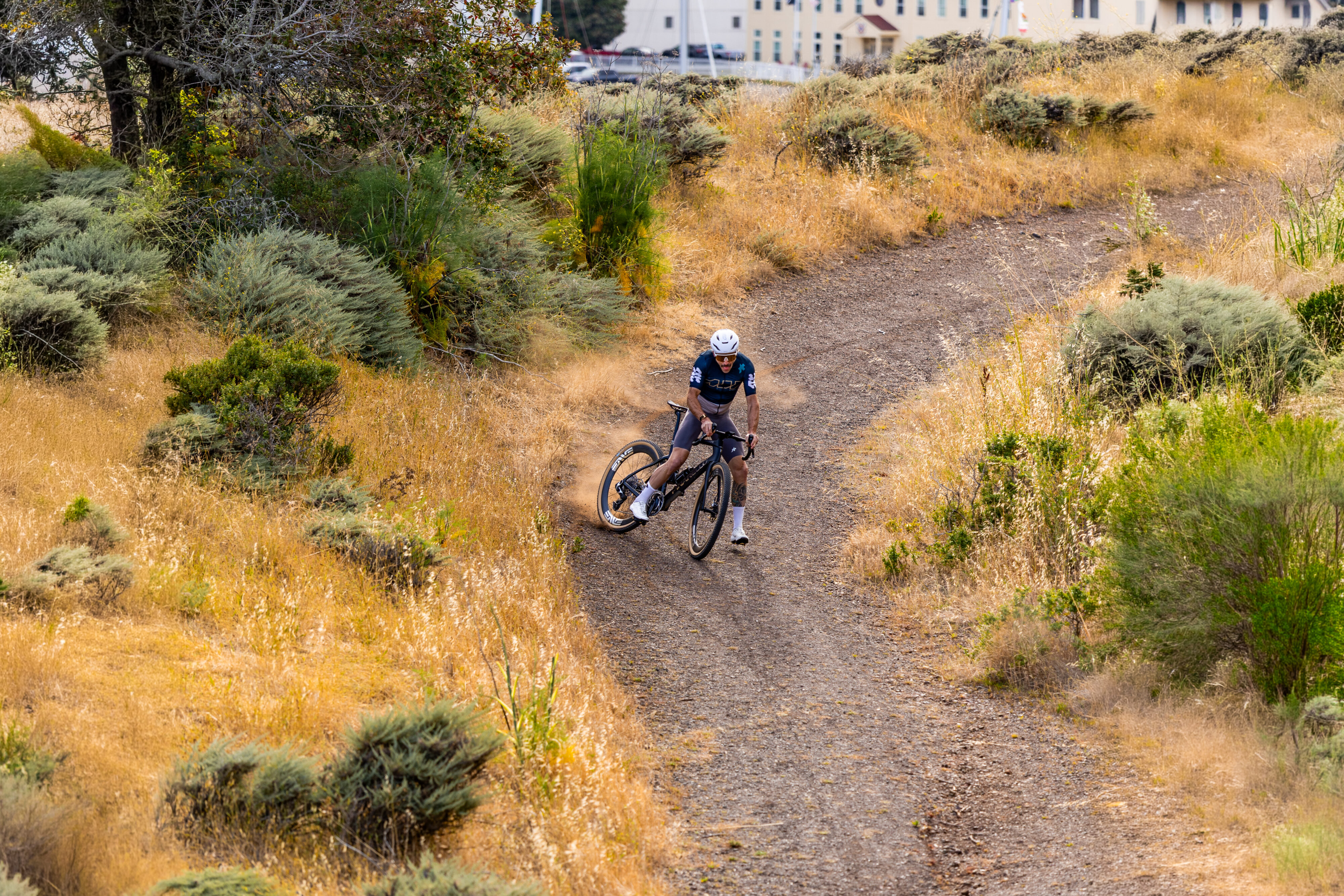
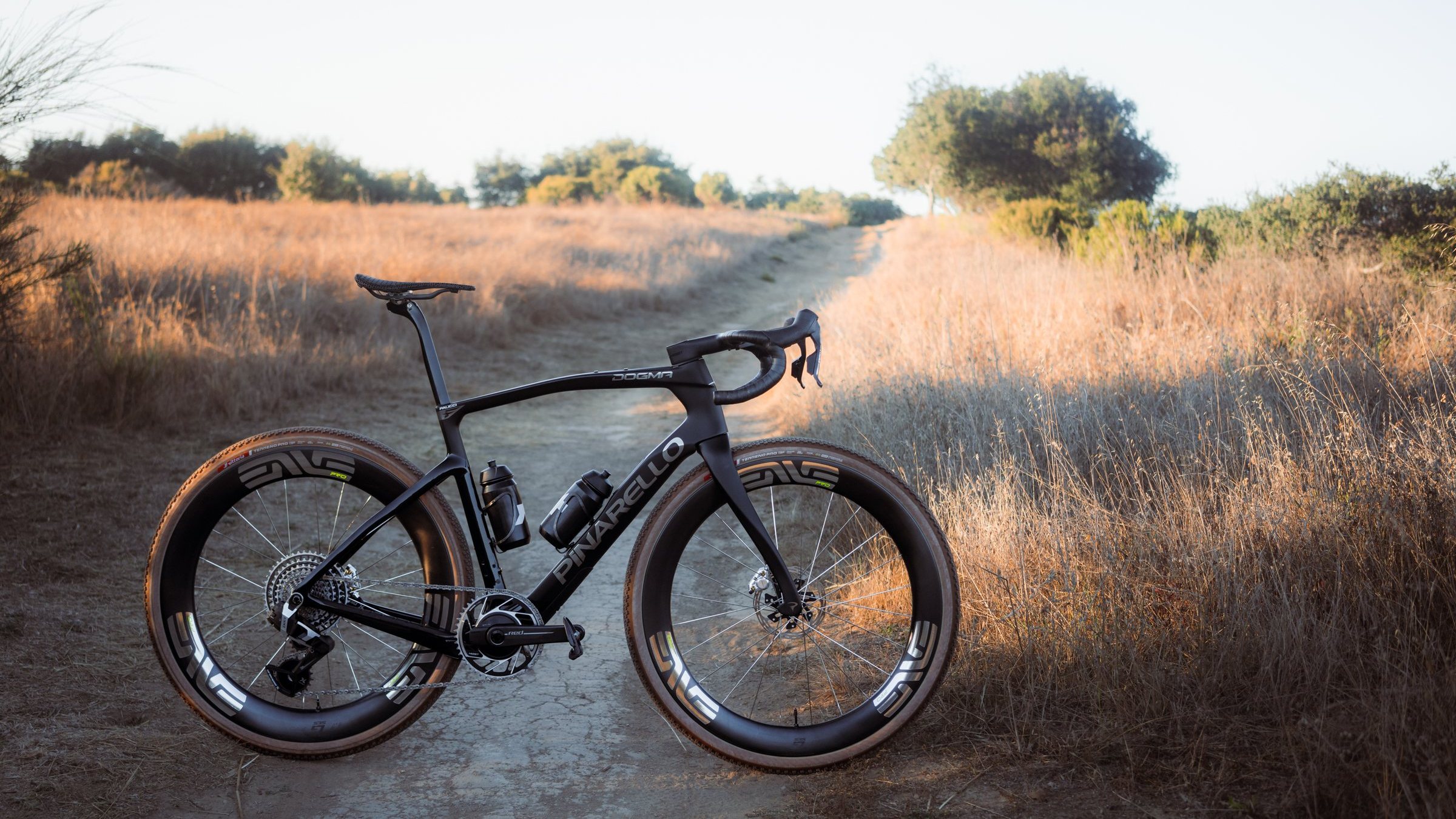
I’ve had a difficult time starting this article, mostly because I think I was disappointed in Pinarello. Why? Because the now-new-ish Dogma GR only has 45mm of tire clearance in the front and 42mm in the rear. But let me back up a bit.
I’m genuinely thrilled that I have the opportunities I do with various cycling and lifestyle brands. I’ve never wanted to be an influencer or ambassador merely for the sake of passive, well, influencing, so having the opportunity, and responsibility, to host, curate, and lead various communities via the bicycle is one of my great joys in life. Cycling occupies a unique space that transcends so many facets and cohorts of America, and I’m honored to have the support of the brands I do to make that happen.
That support, however, has never meant I wanted to eschew criticism when criticism is deserved. I’ll be clear: indiscriminately denigrating a brand without offering anything constructive is still intellectually vacant. But I’d like to think a good number of the people who’ve followed me over the years have done so because I’ve been a fairly objective voice when it comes to evaluating and suggesting gear, without the burden of being required to support whatever company happens to have sent me something. Luckily, the brands I work with are brands I strongly believe in. I wouldn’t consider working with them otherwise, and eventually, those obsequious sycophants promulgating a brand for a buck lose all credibility anyway.
So, the GR. Some time ago, while evaluating the old Grevil and knowing a revision was coming down the line, I posted the following on Instagram:
Dear Pinarello, suggestions for Grevil V.3:
- Integrated Storage
- UDH compatibility
- Additional Tire Clearance (just a smidgen)
- Expanded size range (I ride a 54, after all)
- Dogma-level quality version
- Dropper post compatibility
Please, and thank you.
Most of the items on that list made it to the Dogma GR. A couple did not. Dropper compatibility was one, which I’ll give them a pass on because, really, when was the last time a Pinarello had a round seatpost? More importantly, though: tire clearance.
The old Grevil could fit a proper 2.2″ tire with room to spare, and if you haven’t noticed, I’m talking to you, Europe, just about every top gravel racer on the planet is running 2.2″ tires now. Nearly every major bike brand has been quick to follow suit, revising flagship gravel models to accommodate those 2.2s and, in some cases, something even larger. Couple that with the entirely subjective fact that I think big ol’ chunky tires crammed into a gravel frame look rad, and yeah, I was a little let down when I got the pre-release notes on the GR.
Struggling to Love European Antiquity
Europeans have this annoyingly lovely way of holding onto the past. Sometimes the antiquity they hold so dear is wildly appropriate, like in every uniquely adorable hamlet scattered throughout the continent. Those little towns ensconcing a church at their center tell a thousand stories without requiring you to read a single paragraph about whatever village you’ve stumbled into. And while the efficiency of these places might leave something to be desired, efficiency sits somewhere near the bottom of the list of reasons they exist.
Conversely, Europe also has an annoying penchant for holding onto tradition when tradition no longer suits the moment, or when the medium itself demands being at the forefront of technology. I could wax poetic about everything from laying fiber-optic internet to the adoption of air conditioning, but this tendency exists in cycling, too. I remember visiting a certain Swiss cycling brand in 2010 to interface with the engineers about the benefits of the 29″ wheel while they remained convinced that 26″ was still the future. Granted, if the Swiss aren’t stubborn, the earth is flat, but I needn’t say much more unless you’ve been living under a rock. Or don’t ride mountain bikes.
See how the 26″ versus 29″ debate worked out? I imagine that if I’d brought up 32″ wheels back then, they’d have revoked my visa. So when I first saw the Dogma GR, I assumed something similar had happened here. Pinarello, I thought, had simply missed where gravel was going. But I might have been wrong. In fact, I probably was.
The UCI Effect
The gravel races the UCI holds in Europe ain’t those of, well, most other places, and certainly not those of the United States, where gravel first exploded onto the scene. The bike of choice for INEOS WorldTour pro Connor Swift at the 2024 UCI Gravel World Championships was the Pinarello Dogma X, technically an endurance road bike. He just barely got a 40c file-tread tire to fit, and for the parcours, it was entirely adequate.
Plenty of riders have said Paris-Roubaix is considerably more technically demanding, and we’ve heard much the same in response to the technical demands of UCI-hosted gravel events throughout Europe. Meanwhile, many races in America are so rough that people still opt for flat-bar mountain bikes or, gasp, mountain bikes with drop bars. Which is all to say that the aforementioned 2.2″ tire clearance simply isn’t necessary for a large portion of European gravel racing, and it might even be a disadvantage.
The Pidcock Effect
Pinarello also has the good fortune of a longstanding relationship with one Thomas Pidcock. Tom, to his considerable credit, has cemented his standing as one of the best cyclists in the world during an era when that’s no small feat, and that standing transcends nearly every facet of the sport. He can throw down with Pogi at Strade Bianche, then go beat Schurter and Gaze to take Olympic cross-country gold.
His influence at Pinarello is, ostensibly, substantial, given not only his prodigious physiological talent aboard a bicycle, but also his technical ability. That ability, manifested through everything from viral road-descending videos to his almost absurd skills in the dirt, makes him one of the best development riders a bicycle company could ask for. I’m not kidding when I say Pinarello’s Dogma XC, their full-suspension mountain bike, is astonishingly good, and a considerable part of that can be attributed to ol’ Piddo driving its development.
I have to imagine the Dogma GR has Tom’s fingerprints all over it, too. And once you consider what Tom actually needs to win gravel races in Europe, the Dogma GR starts making considerably more sense. Maybe this wasn’t Pinarello stubbornly refusing to build the gravel bike I wanted. Maybe they built exactly the weapon they intended to.
The Dogma GR
I’m not a journalist, so this is the part I hate. Bear with me. The Dogma GR is Pinarello Super Corp’s™ preeminent gravel offering, sitting above the company’s other gravel bike, which is still called the Grevil and still has 2.2″ tire clearance.
Paraphrasing Pinarello directly:
DOGMA GR distills the defining traits of three of Pinarello’s most accomplished platforms into a single bike: the speed and immediacy of the DOGMA F, the control and agility of the CROSSISTA, and the traction and composure of the DOGMA XC.
The result is a gravel bike with unusually little compromise. It optimizes speed on pavement, comes alive on dirt, and remains composed when the terrain becomes technical enough to expose bikes designed around a much narrower definition of gravel.
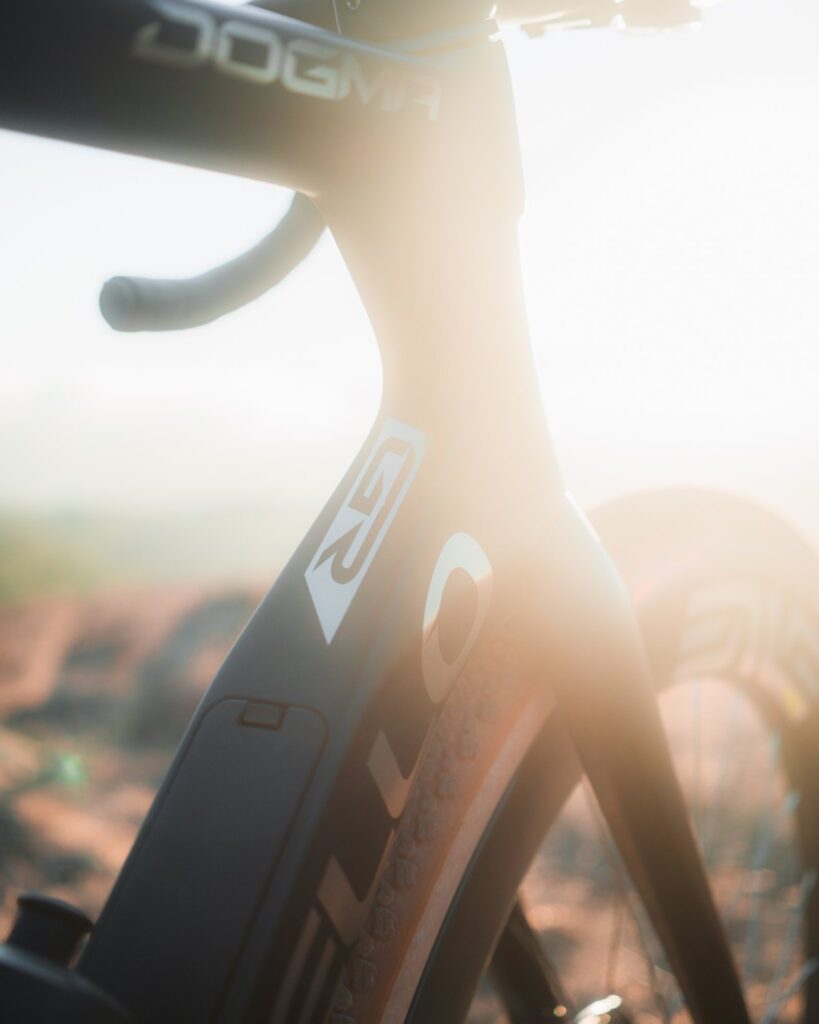
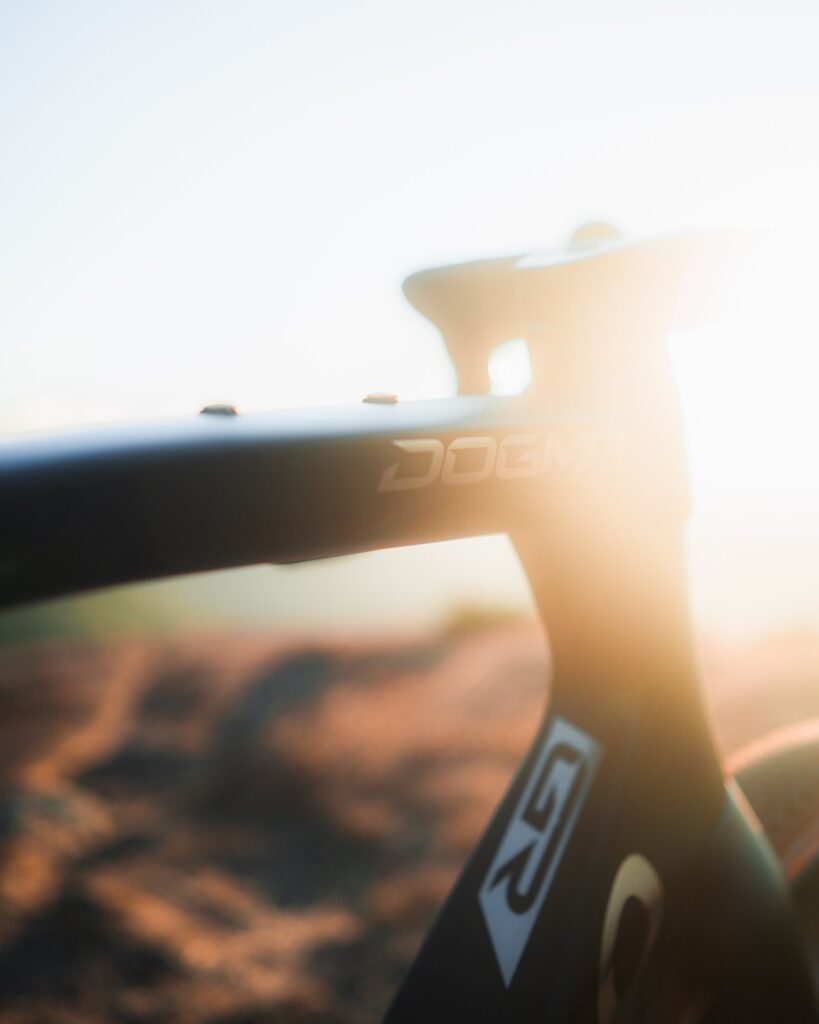
At the end of that statement, in very clear letters, reads END OF EXCUSES, which I’d like to think sounds way cooler in Italian. Basta scuse, indeed. The rest of the technical literature contains big words like NEW! M40X Carbon Fiber, followed by the usual cascade of benefits and adjectives: lightweight, durable, responsive. All useful, I’m sure, but what I actually care about is what happens when you point it at something.
So What’s It Actually Like?
Well, that depends entirely on what terrain happens to be in front of you, but plainly, it is ferociously good.
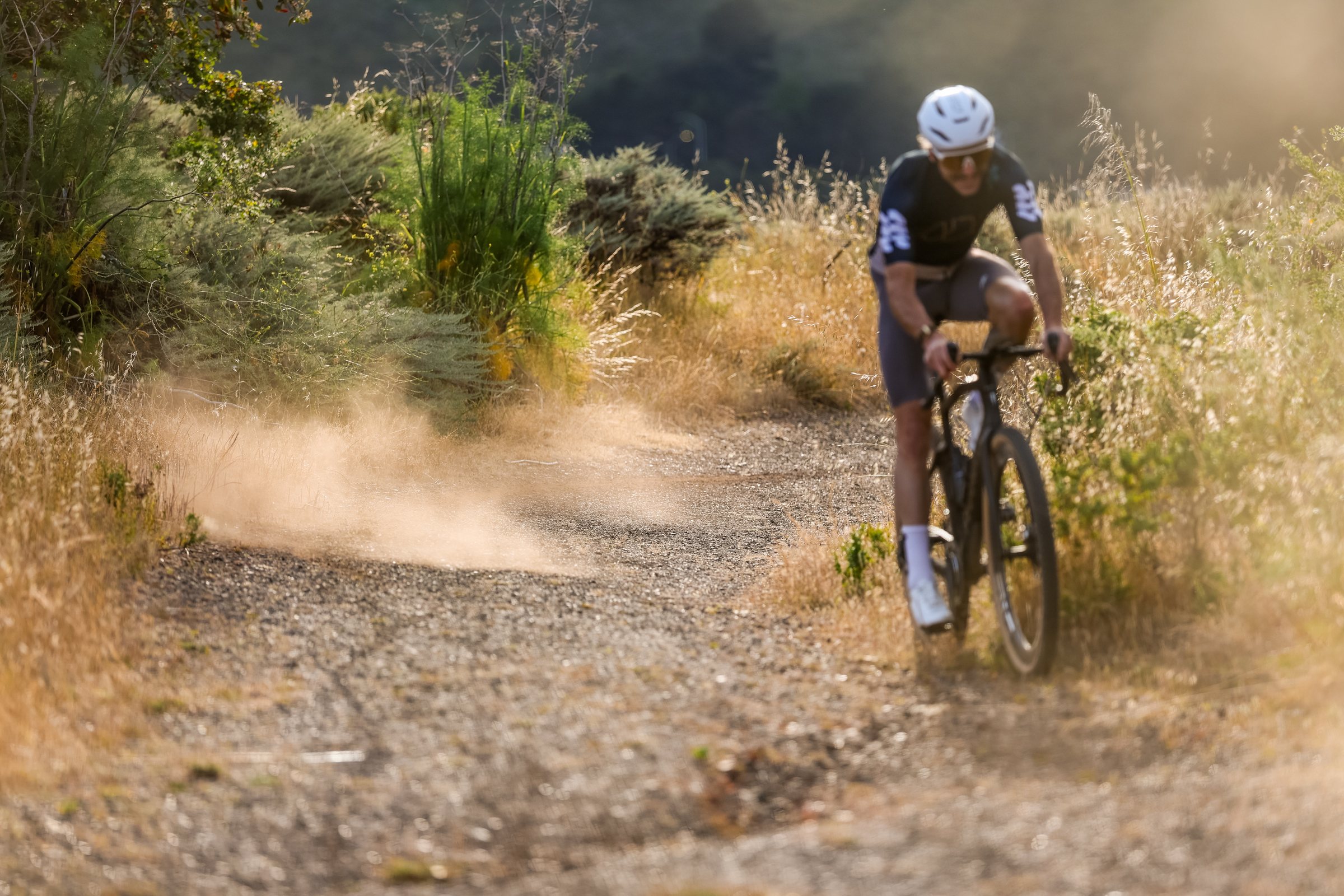
Despite my ongoing evangelism about big tires and their apparent necessity at the bleeding edge of modern gravel racing, for the 90 percent of us who aren’t buying this bike primarily as a racing vessel, should we really care? I’m starting to think not.
Here’s the thing: while the latest CyclingNews article can go blue in the face telling me that larger tires are faster, are they actually more fun, and under what circumstances? I’ll make a supposition here: for most people’s riding, and frankly much of their racing, I’m not convinced they are. Part of the joy of gravel is finding yourself both undergunned and overgunned, then adapting your own skill to whatever happens to be in front of you. Sure, that might be a straight, flat, rocky road where enormous tires reign supreme, but it could just as easily be an otherwise smooth trail littered with roots and tight technical sections, which I find myself riding constantly here in Marin.
Why does that matter? Agility, and the slow erosion of it as tires balloon outward. The same applies to descending, particularly when the ride inevitably dumps you back onto pavement for a while. Gravel is, organically, compromise, and compromise, it turns out, is where the Dogma GR gets interesting.
My introduction to this bike, very literally its first ride, was the beginning of a 36-hour, nearly 700-mile week early last year. Ted decided that at the culmination of our annual Coast Ride, we’d cap everything off with one of the gnarliest “gravel” “races” I’ve ever done, but first came roughly 600 miles of mostly paved riding.
Couple my anxiety about riding with ex-WorldTour Ted, current preeminent gravel pros Bradyn Lange and Brennan Wertz, and my still-questionable fitness after getting smashed by a vehicle and spending the preceding months clawing my way back toward some semblance of form, and the thought of doing all of this on a gravel bike, with ostensibly lazier geometry, slower handling, and a weight penalty, was somewhat terrifying. Instead, I was met with a bike I could barely discern from my normal Dogma F.
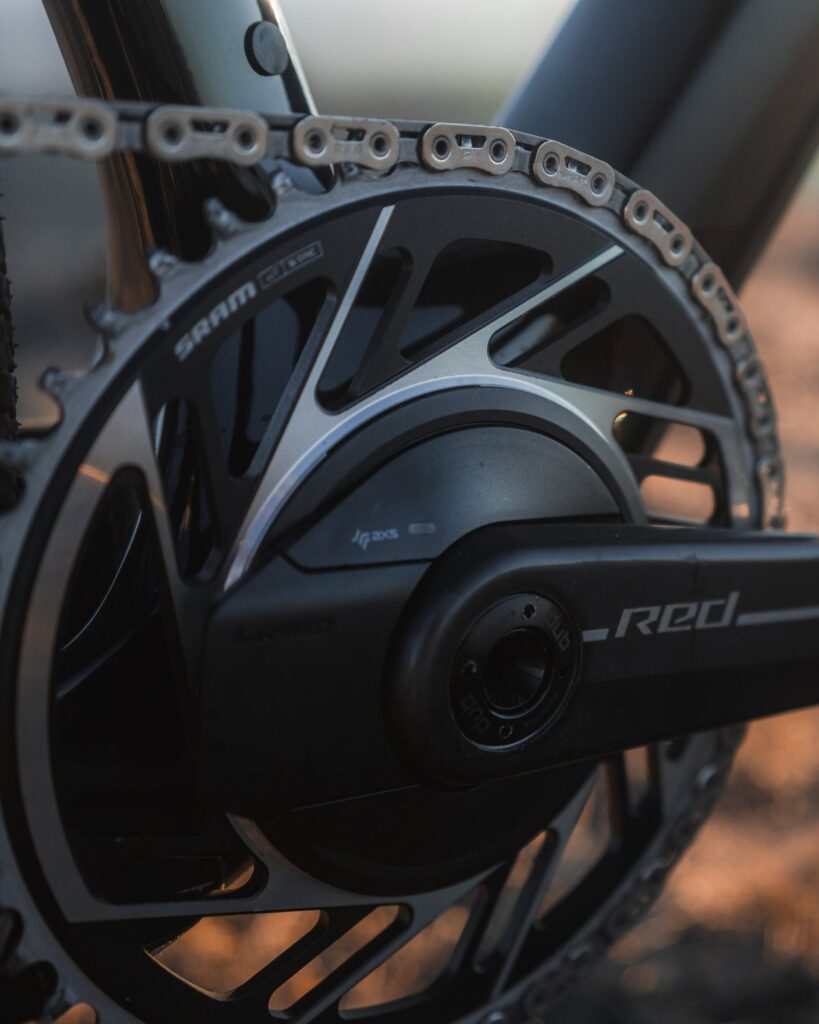
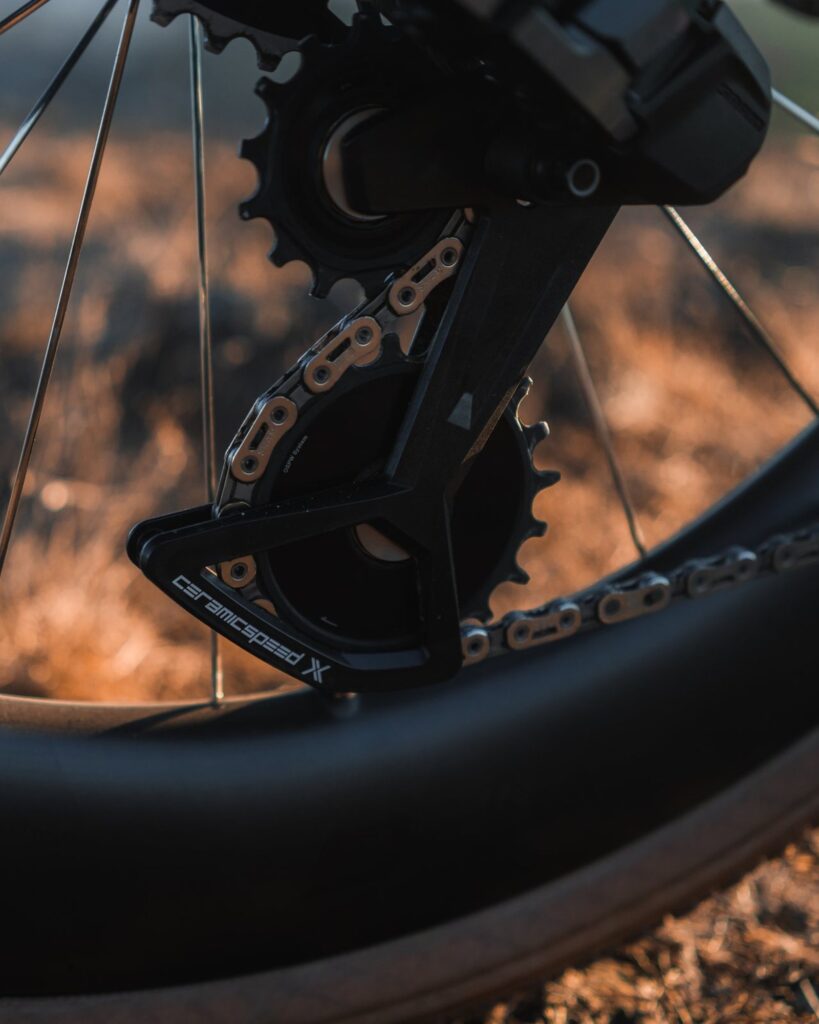
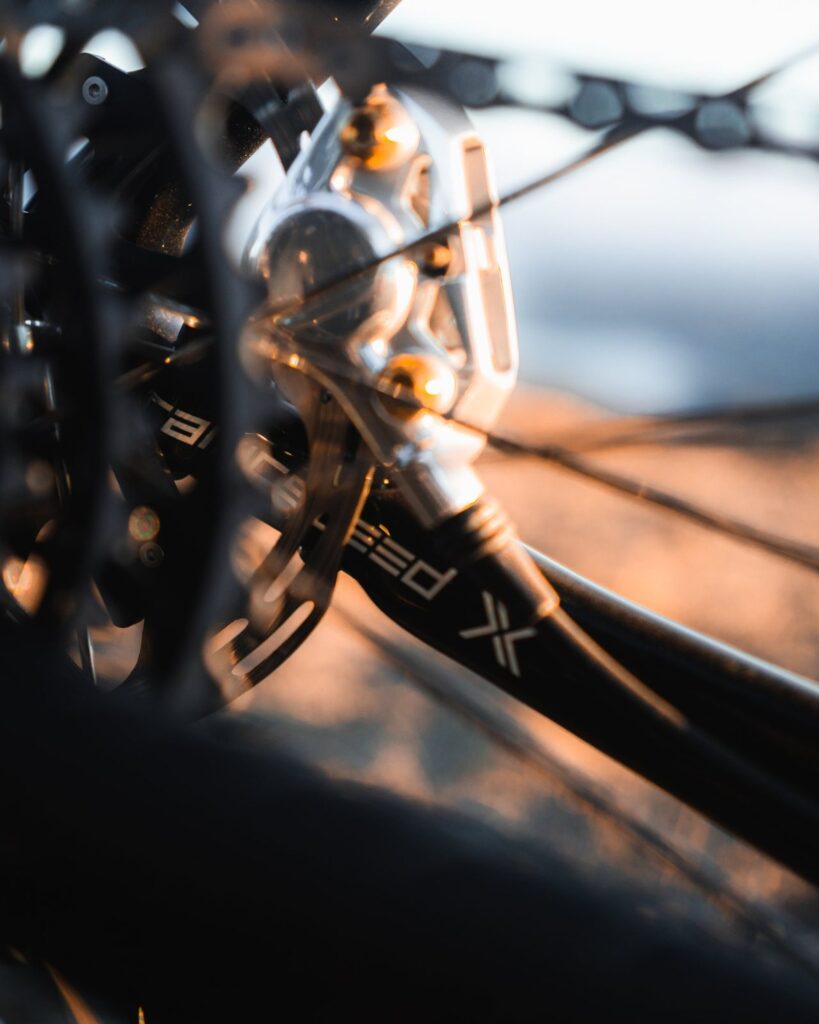
The weight penalty, for starters, was minimal. I reckon the slightly longer geometry, internal storage, seatpost, and carbon layup add a smidgen, but my finished bike came in at exactly 17 pounds. The RED XPLR 1×13 group probably helped, as did Pinarello spec’ing the same bar as the Dogma F. And because I’m a slave to aesthetics, read: I cannot abide enormous gaps between tires and frame, I threw on some wonderfully light-for-their-size Rene Herse 44mm slicks. Probably not the wisest choice in retrospect, but they looked cool, and between those tires and the slightly taller front end, the bike offered enough comfort to help my still-healing body tolerate the cumulative abuse of that week.
Does the Design Brief Make Sense Once You’re Actually Riding It?
On pavement
Absolutely, which, I know, isn’t really the point of a gravel bike, except there are so many races and rides I’ve done that contain an enormous amount of it. And I’m not merely talking about straight-line speed. While it wouldn’t be my first choice, I’d be perfectly happy ripping this thing on a group ride and, if necessity really called for it, even lining up for an actual road race.
It handles that well, and the compromises compared with a true road bike simply aren’t large enough to make it feel like you’re dragging some ponderous off-road contraption through corners. Check out the descending video down Nacimiento-Fergusson Road from our trip down the coast. Maybe we weren’t setting records, but we were ripping, and certainly going considerably faster than I would have been comfortable doing on a gravel bike a few years ago.
On ordinary gravel
Which immediately begs the question: what, precisely, does “ordinary gravel” even mean? Chunky, deep rocks? Loose sand? Essentially pavement, like what you’d find at SBT? Here’s the thing: the GR handles all of it really damn well.
Some better than others, certainly. This bike is an absolute weapon on anything vaguely resembling SBT. But for most of the rest, with 45mm tires, don’t tell Pinarello, but that’s what I’m running front and rear, it’ll deal with just about anything you point it toward. My justification, aside from the tremendous variety of terrain I’ve logged on it since, is that first 36-hour, 700-mile week ending with the L.A. Tourist race, which plenty of people chose to ride on mountain bikes.
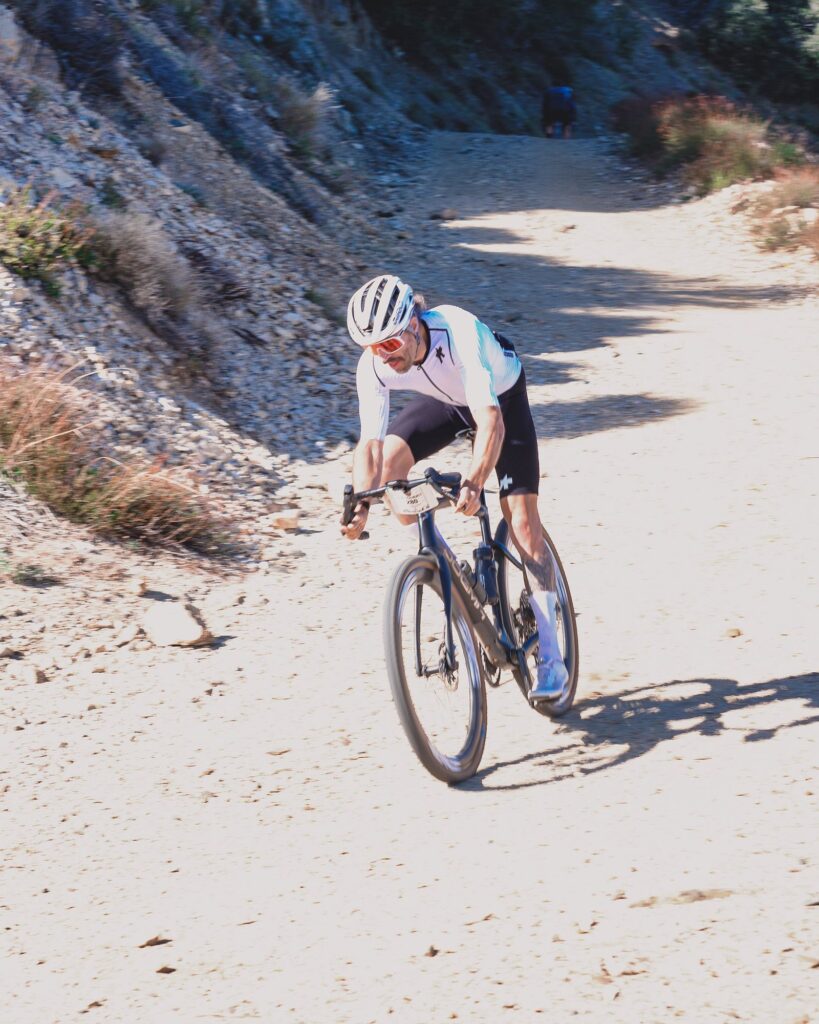
After a start that was essentially an alleycat through the sleepy streets of downtown Los Angeles at 6 a.m., the race ascended into the San Gabriels and eventually wandered onto some of the gnarliest trails I’ve ever attempted aboard anything remotely resembling a gravel bike. In plenty of places, misjudging a section meant careening hundreds of feet down a cliff decorated with sharp shale and cactus. Still, the Dogma GR handled it just fine. The limitation was yours truly.
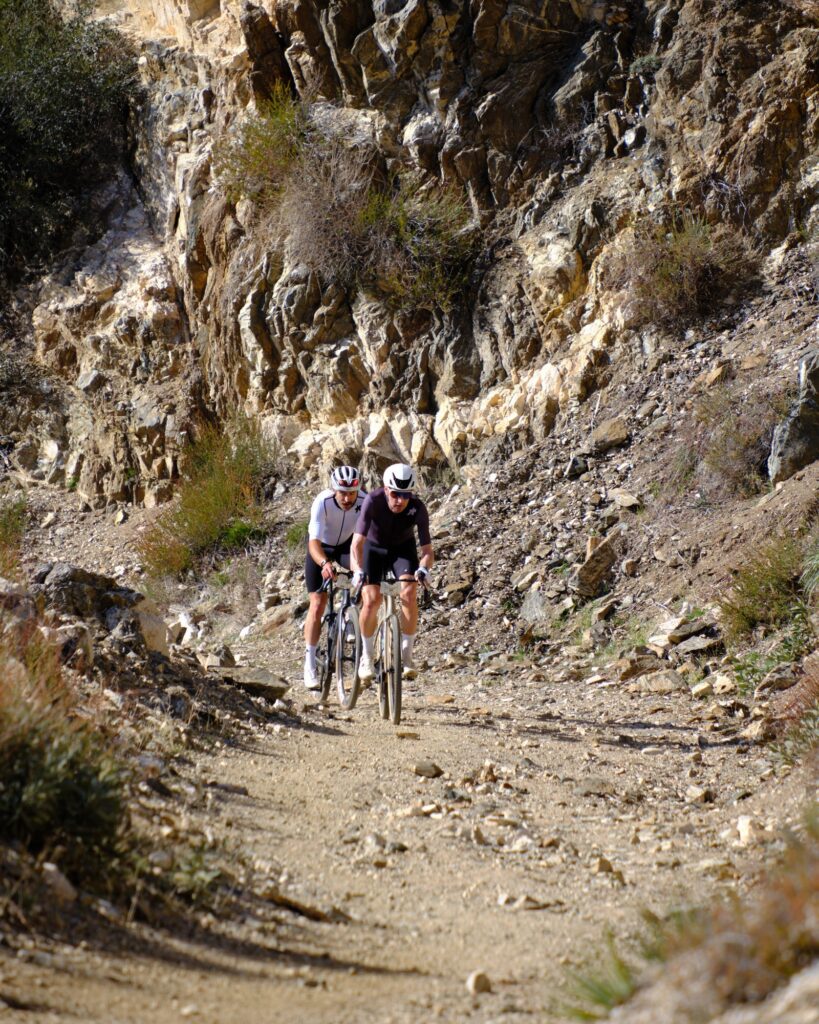
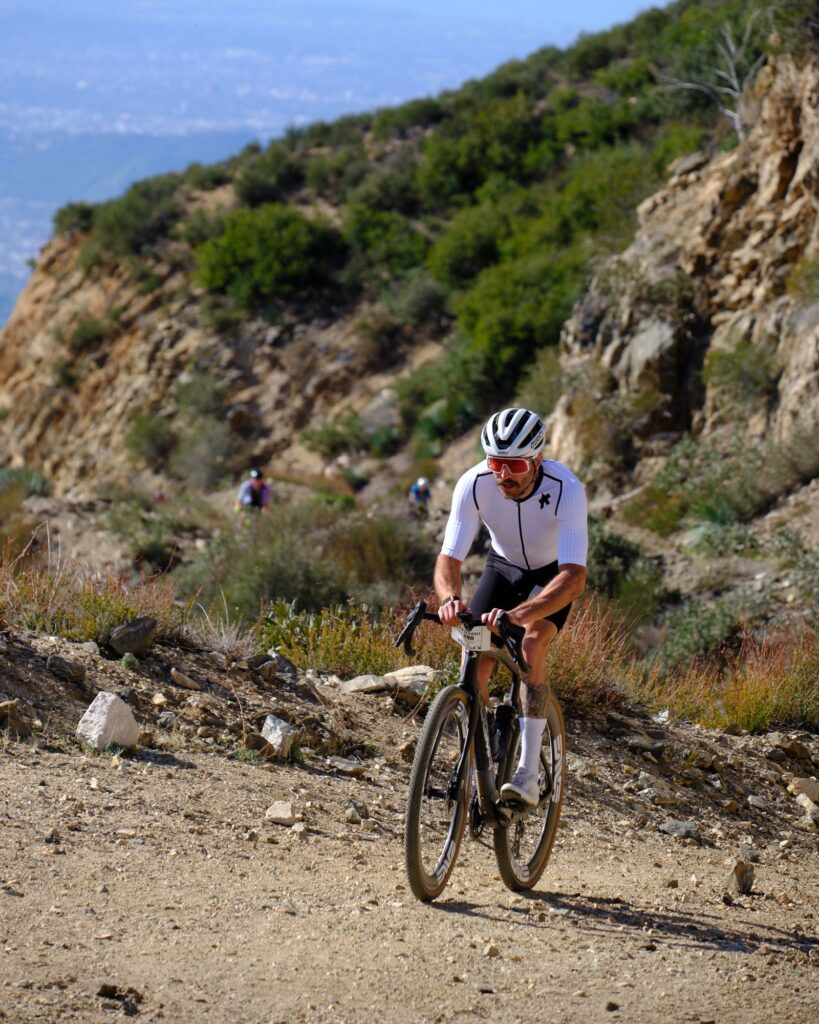
Photo: @danstorkaudiophoto
Sure, there were sections that would have been rad on a bigger tire, but there were also sections twenty minutes later where I would have immediately wanted those giant tires gone, which is sort of the point.
Technical terrain
“Technical” is every bit as subjective as “gravel,” so for the sake of giving an honest answer, here’s what I mean by it. At the L.A. Tourist race, the technical riding consisted of tight, twisty, frequently sandy singletrack with a fairly tremendous price to pay if you got things wrong. It wasn’t particularly fast, and it demanded precision. To my surprise, the GR handled that remarkably well.
I was running Rene Herse Corkscrew Climb tires, labeled as a 44 but measuring closer to 46mm. There was plenty of volume for this sort of terrain, though I certainly wouldn’t have complained about a slightly larger tire if I could’ve gotten away with one, if only because somewhere deep in my primitive cycling brain, bigger tire = more traction. But the limited clearance also allows Pinarello to keep the chassis compact and the handling sharp, something I genuinely appreciate. Point the bike at a line and it goes there.
My only meaningful error that day came while following Ted down a reallllly sketchy section littered with blind drops. Sadly, and unbeknownst to me, one of my shifters was rather loose, something I discovered only after landing one of said drops. Moments later I was on the ground, writhing in a spot of pain after introducing myself rather forcefully to that sharp shale I mentioned earlier. At least I didn’t fall off a cliff.
Locally, our technical terrain trades cactus, shale, and cliffs for roots over loamy, frequently muddy, remarkably slick dirt. This is one of the areas where I’d genuinely appreciate more tire. But the fact remains that if you can pick a line, the GR will go where you point it, assuming, of course, that a decent line exists in the first place.
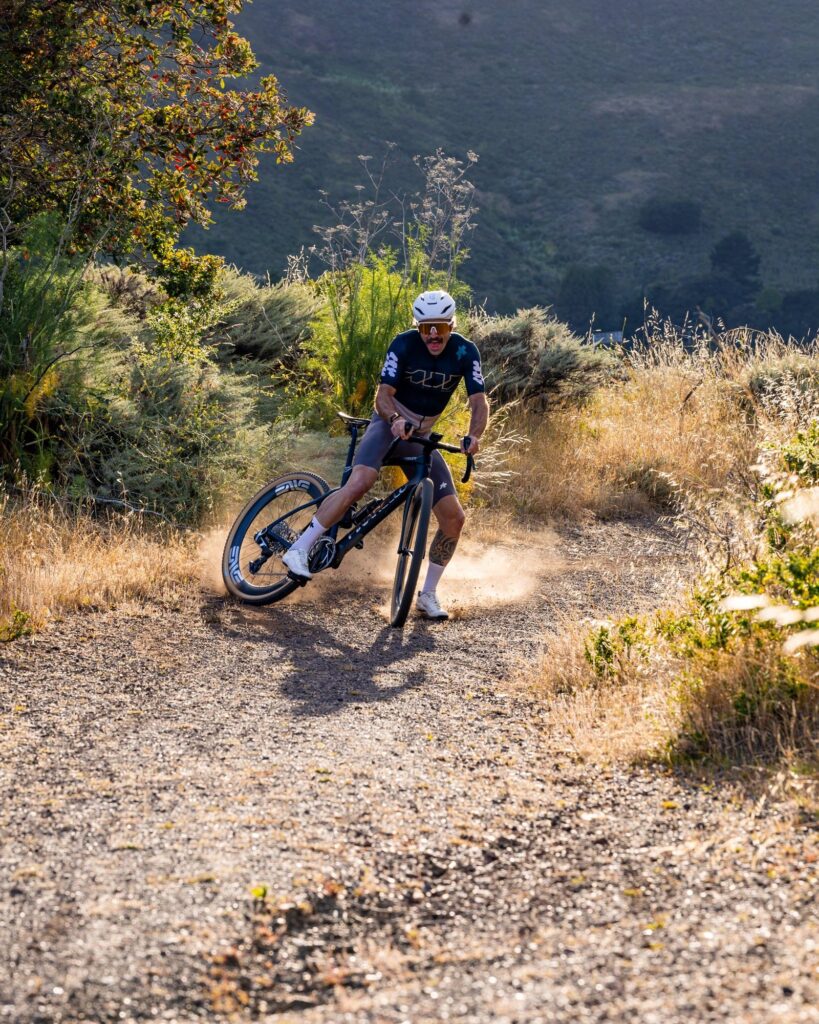

At speed
Speed is what the GR does exceptionally well. Laden with ENVE’s new SES 6.7 PROs, this thing is an absolute rocketship across smoother flats. One of my favorite loops has a second half that rips through mostly flat, fairly hard dirt back through Samuel P. Taylor State Park, and this bike will make you feel like a superhero through there. Sold, no question, or, if I worked in Pinarello’s marketing department, fuori discussione. I digress.
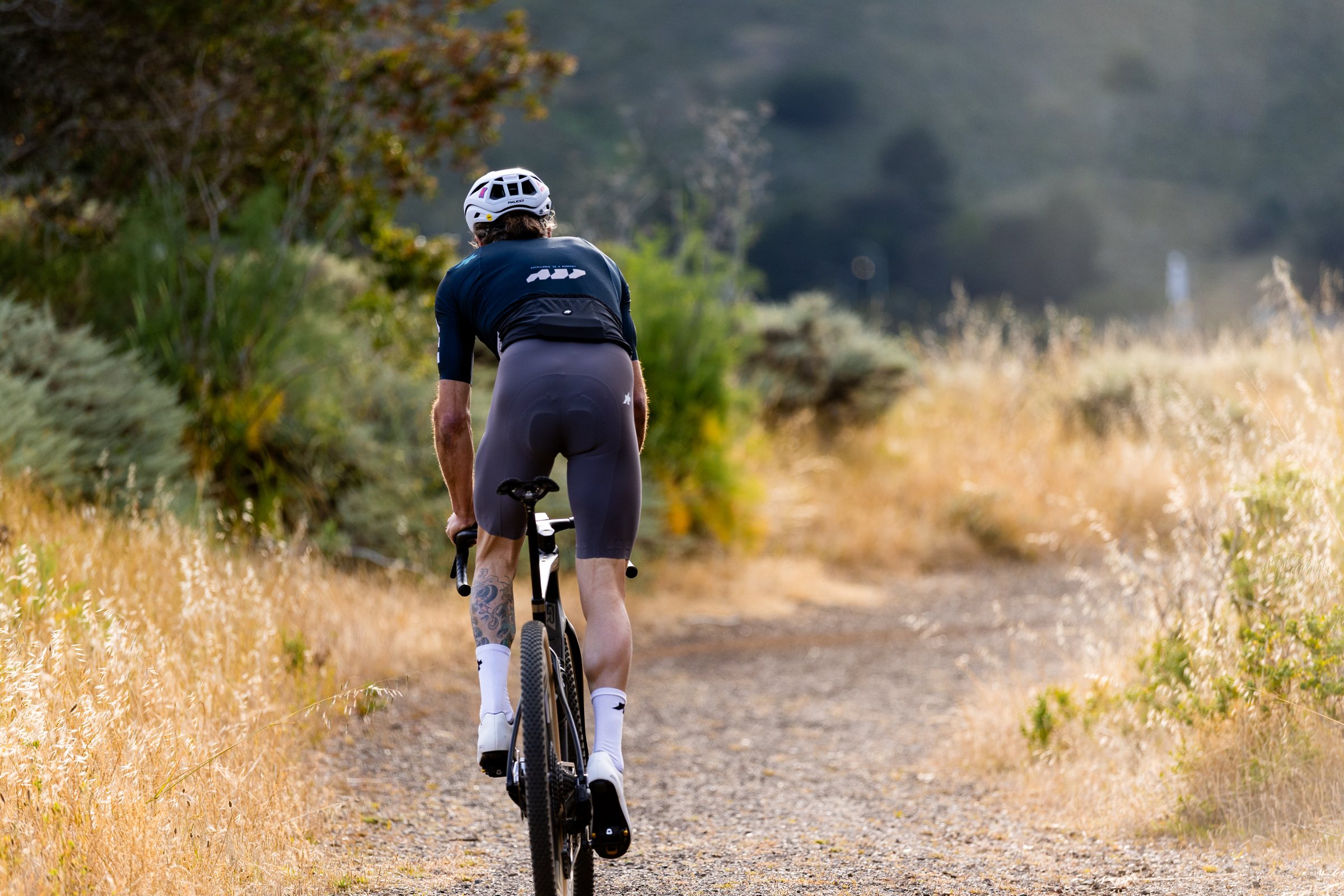
Versus the Grevil
So, would I trade this bike for a Grevil? The honest answer is sometimes yes, but usually no. There are absolutely places where I’d love the Grevil’s enormous clearance and a big ol’ tire underneath me. But the reality is that my own riding contains a prodigious amount of variance in terrain, and the GR is good at nearly all of it while being outright exceptional at some of it.
Pinarello Didn’t Replace the Grevil
I think that was my mistake. I assumed Pinarello was going to build the perfect gravel bike for me, which is basically what my little wish list had outlined the year before. What they actually built was something much more specific: a weapon intended for the usually buff, incredibly fast gravel racing that dominates much of Europe, and to that end, they executed the brief with almost unnerving precision. Bravo. I don’t even need an Italian translation for that one.
But I also think they created something else along the way, whether deliberately or merely as a consequence of the design brief. By keeping the tolerances tight, they created a visual masterpiece that is as much fun to ride as it is to look at. And let’s be real: there are some hideous gravel bikes out there, particularly when they’re fitted with anemic-looking tires floating inside wheel wells large enough to shelter Lance Armstrong’s past.
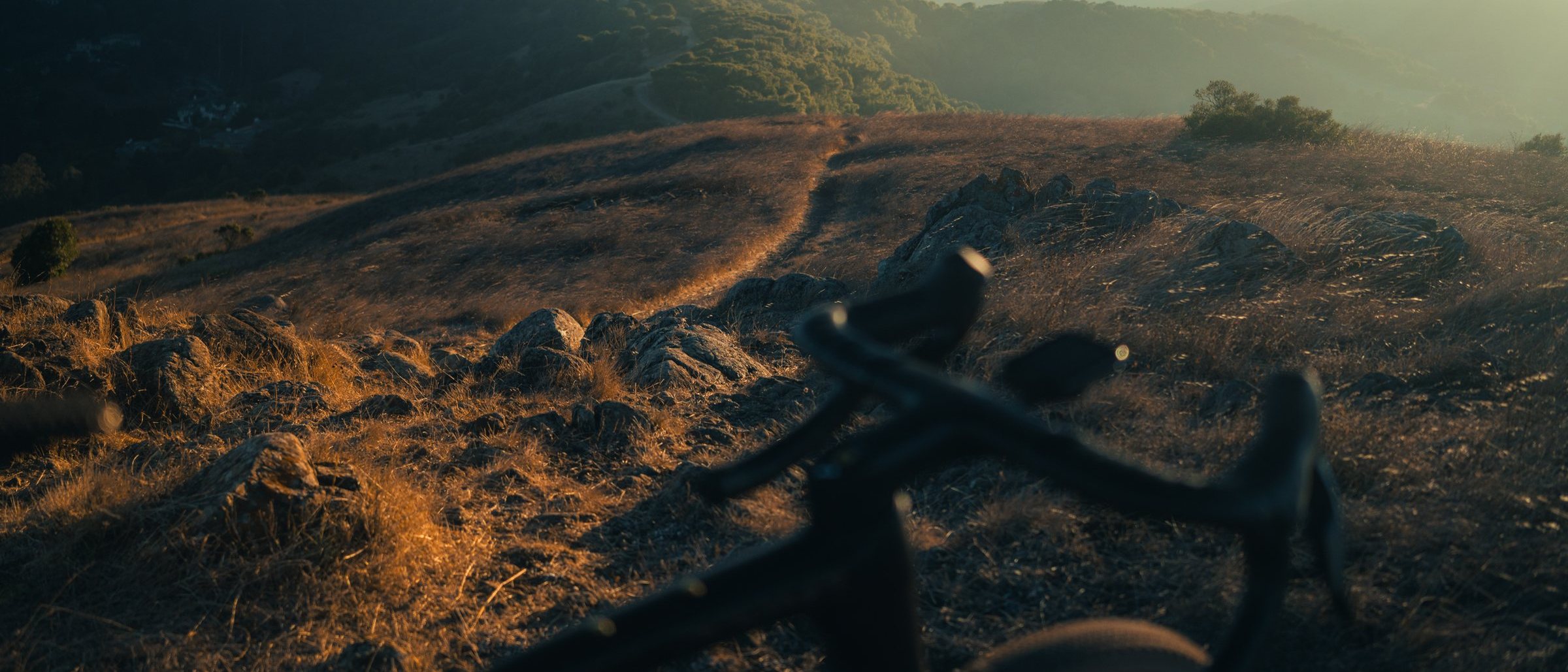
Sure, you can argue with me all day that function should trump form, but I genuinely don’t think the Dogma GR gives up much capability despite having tire clearance that, on paper, looks almost quaint by contemporary gravel standards. I have little doubt that at some point Pinarello will produce another iteration of the Dogma GR with more clearance, more volume, a little more protection against pinch flats, and a little more insurance when the terrain gets truly ugly.
Would I trade the current bike for something with a longer wheelbase, lazier steering, and, arguably, worse aesthetics? That’s considerably harder to answer than I thought it would be when I started writing this, which is probably the point.
I began evaluating the Dogma GR against the bike I thought Pinarello should have built, and it took riding it for a year to realize that they had already built the big-tire gravel bike; it’s called the Grevil. What they hadn’t built was this: something faster, sharper, prettier, and rather more specific in its intentions than I originally gave it credit for. I still wouldn’t turn down another few millimeters of tire clearance, because naturally I wouldn’t, but somewhere along the way that grievance went from defining the bike to becoming a footnote in why I enjoy it. The GR asks for a little more judgment from the rider, rewards precision when you get things right, and manages to feel special across a remarkably broad spectrum of terrain without pretending it was designed to be everything to everyone. After a year aboard it, I’m fairly convinced Pinarello knew exactly what they were doing, and if any of the above sounds like the sort of compromise you’d happily make, come ride one. Basta scuse.
Love,
Anthony
Gallery